
Understanding custom shirt printing methods is essential to predict how a design will look, wear, and cost over the lifecycle of the garment, from concept to final delivery. From DTG printing (direct-to-garment) to other methods, the choice shapes color, texture, and durability, influencing how soft the hand feels, how true colors stay after multiple washes, and how scalable the process is for different order sizes. This guide explains how the main options perform for small runs, photographs, or bold logos, helping you weigh considerations like setup time, cost per unit, and compatibility with various fabrics. Choosing a method depends on order size, fabric type, and how durable you need the print, as well as how quickly you need samples or proofs. By aligning design goals with the right technique, you can deliver high-quality shirts customers love while keeping production efficient and margins healthy.
Seen through a broader lens, garment decoration techniques span digital ink-on-fabric approaches, traditional stencil-based methods, and on-demand transfer options, each tuned to budget and turnaround. This framing helps brands compare outcomes, setup time, and wash durability without jargon. By pairing artwork with the most suitable approach—whether a detailed digital print, bold color blocks, or flexible on-demand transfers—you tailor production to quantity, fabric, and audience. As you plan, consider how each option supports on-demand production, color accuracy, and long-lasting wear.
Direct-to-Garment (DTG) Printing: When It Excels for Detail and Quick Turnarounds
DTG printing uses direct-to-garment technology to deposit water-based inks directly onto fabric, delivering highly detailed imagery with smooth gradients. This method shines for designs that require photorealism, subtle shading, or multi-color artwork, and it typically yields a soft hand feel since the ink sits on the surface rather than embedding deeply into fibers. For small runs and prototypes, DTG printing is often the best method for custom shirts because setup is quick and turnaround is fast.
While DTG excels in detail, there are trade-offs to consider. Dark garments may require pretreatment and white underbases, which add cost and prep time, and durability across frequent washes can hinge on proper curing and garment prep. For designers who prioritize color accuracy and complex artwork in limited quantities, DTG printing remains a reliable choice within the broader landscape of direct-to-garment techniques.
Screen Printing for Large-Scale Runs: Cost-Effectiveness and Durability
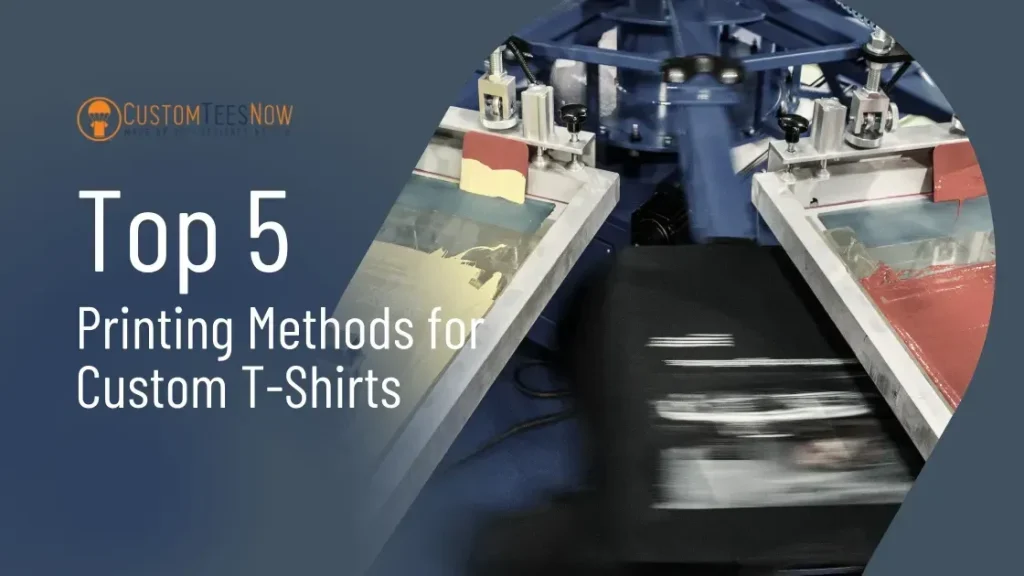
Screen printing pushes ink through a mesh stencil to create bold, opaque colors with a durable finish. In bulk production, the per-unit cost drops significantly, making screen printing one of the most cost-efficient methods for high-volume orders. The resulting prints tend to be vibrant and long-lasting, ideal for brand apparel and merchandise that must withstand frequent washing.
However, the upfront setup is heavier because each color requires its own screen, and designs with many colors or intricate gradients can inflate costs and lead times. While screen printing performs exceptionally well on standard fabrics like cotton, maintaining color consistency across batches requires meticulous screen preparation and ink control. For large runs where durability and color saturation are paramount, screen printing often outshines other methods.
Heat Transfer: On-Demand Customization and Color-Rich Designs
Heat transfer uses heat and pressure to apply designs from vinyl or transfer paper onto fabric, offering flexibility for on-demand production and multi-color artwork without screens. This method is well-suited for quick-turnaround projects, personalized items, and scenarios with frequent color changes or niche fabrics. Heat transfer enables complex color work without the need for screen setups, making it a practical option in the custom shirt printing methods toolbox.
Durability and feel vary with transfer type and application quality. Some transfers can appear thicker and may crack or peel with heavy wear if applied improperly, while premium transfers tend to hold up well through numerous washes. For small batches, event tees, or designs that require rapid iteration, heat transfer provides a compelling balance of speed, flexibility, and customization.
Custom Shirt Printing Methods: Matching Design Goals with Technology
Choosing among the core options—DTG printing, screen printing, and heat transfer—depends on design goals, color complexity, and order size. Designs with gradients, photographic imagery, or subtle shading often align with DTG printing, while bold, solid-color blocks and high-volume runs suit screen printing. For designs with many colors or frequent personalization, heat transfer can offer flexible solutions without extensive screen work.
By thinking in terms of custom shirt printing methods, you can optimize for cost, lead time, and wearer experience. The DTG printing path provides detail and a soft hand, screen printing delivers durability for bulk orders, and heat transfer offers on-demand flexibility for changing SKUs. This framework helps you map artwork to the right technology without forcing a one-size-fits-all solution.
Durability, Care, and Longevity Across Methods
To maximize print longevity, care should be aligned with the chosen method. Screen-printed garments typically withstand frequent washing and higher heat since the ink is fused into the fabric, offering strong durability for bulk apparel. DTG prints can also be durable when pretreatment and curing are properly executed, though they may show wear sooner on lightly colored fabrics if not maintained.
Heat transfer durability depends on the transfer material and application quality. Premium transfers can rival screen printing in everyday wear, but cheaper transfers may crack or peel over time. Regardless of method, practical care steps—turning shirts inside out, washing in cold or warm water, and avoiding high-heat drying—help preserve color vibrancy and print integrity across multiple wears.
Best Method for Custom Shirts: A Practical Decision Framework
When deciding, start with order quantity: large runs (hundreds to thousands) generally favor screen printing for the lowest per-unit cost, while small runs or prototypes benefit from DTG printing or heat transfer due to low setup. Evaluate design complexity and color count—gradients and photos align with DTG printing, solid blocks fit screen printing, and designs with many colors or variable text can leverage heat transfer for flexibility.
Consider fabric type and timeline as well: cotton and light fabrics pair well with DTG printing for fine detail, while bold color saturation is often achieved with screen printing in bulk. If speed and customization are the priority, heat transfer may be the best method for custom shirts in on-demand campaigns, allowing rapid iteration without committing to a full screens setup.
Frequently Asked Questions
Which custom shirt printing methods are best for high-detail, multi-color designs?
DTG printing (direct-to-garment) is typically best for high-detail, multi-color designs in custom shirt printing methods. It prints directly on fabric with excellent color accuracy and gradients; pretreatment may be needed for dark fabrics.
For large orders, which custom shirt printing methods offer the best cost per shirt?
Screen printing is usually the most cost-effective for large runs in custom shirt printing methods, thanks to lower per-unit costs once setup is complete. DTG or heat transfer is often preferred for small runs or fast prototyping.
Is heat transfer a good option for small batches in custom shirt printing methods?
Yes. Heat transfer is flexible for small batches and designs with many colors. It enables quick customization with minimal setup.
What should I consider about durability when choosing among custom shirt printing methods for dark fabrics?
DTG on dark fabrics typically needs a white underbase and pretreatment; screen printing on dark shirts offers strong durability with pigment inks; heat transfer durability varies with transfer quality and material.
How do durability and washability compare across DTG printing, screen printing, and heat transfer in custom shirt printing methods?
Screen printing generally provides the longest wear life for frequent washing, DTG can be very durable with proper curing, and heat transfer durability depends on the transfer type and material.
What is the best method for custom shirts when you need fast turnaround and personalization?
Heat transfer is often the best method for fast turnaround and on-demand personalization in custom shirt printing methods. For very small runs with detail, DTG is also strong, while screen printing excels for large volumes.
| Method | How it works | Key advantages | Common limitations | Best uses |
|---|---|---|---|---|
| DTG Printing | DTG prints directly to fabric with pre-treatment; water-based inks; high resolution; soft hand feel; works best on light-colored shirts; darker fabrics may require pretreatment for vibrant results. |
|
|
|
| Screen Printing | Screen printing pushes ink through a mesh stencil onto fabric. It’s one of the oldest and most reliable methods for bulk production. Each color in a design typically requires its own screen, so multi-color designs become more complex and expensive as the color count increases. The ink is cured with heat, creating a durable finish that can withstand frequent washing. |
|
|
|
| Heat Transfer | Heat transfer involves applying designs to fabric using heat and pressure. Transfers can be vinyl-based (HTV) or printed on transfer paper and applied with a heat press. Transfers offer flexibility, allowing multi-color designs without screens and supporting intricate details. |
|
|
|
Summary
custom shirt printing methods offer flexible options for turning designs into wearable products. The choice among DTG, screen printing, and heat transfer depends on order size, design complexity, fabric type, durability needs, and budget. DTG excels with detailed art and quick prototyping, Screen printing remains the gold standard for high-volume runs with bold, solid colors, and heat transfer provides on-demand customization and adaptability for many colors and fabrics. By evaluating your project against these strengths and limitations, you can select the best fit and deliver high-quality shirts that meet customer expectations and business goals.
