
Patch collecting is a hobby that blends history, art, and memory. Across this craft, embroidered patches reveal stories from bands, cities, charities, and clubs. A mindful approach helps you build a library of patches that grows with intention rather than chaos, and you’ll begin cataloging patches as you go. In this guide, you’ll find practical patch collecting tips to organize, protect, and display your finds. With themed displays and careful recording, you’ll reveal patch display ideas that make your collection a living archive.
For many enthusiasts, this pastime centers on gathering emblem badges and fabric insignias that mark experiences, affiliations, and journeys. Collectors curate a personal archive of patches, focusing on authenticity, provenance, and historical context rather than sheer quantity. The practice blends textile craft, memory work, and ephemera, inviting hobbyists to study styles, makers, and eras while organizing items into themed groups. By reframing the activity as a careful archival project rather than a random haul, you create a durable reference that can be shared with communities online and in person.
Defining Your Patch Collecting Scope and Building a Library of Patches
Patch collecting is most satisfying when you define a clear scope that tells the story you want your library of patches to tell. Start by identifying themes such as bands and tour memorabilia, regional travel patches, charity or fundraiser patches, or city flags. By focusing on embroidered patches within these themes, you build a cohesive collection that feels intentional rather than random. A well-defined scope also makes it easier to appreciate the craft, colorways, and historical contexts each piece represents.
As you narrow your focus, your library of patches grows with purpose. Consider how many patches you want in your starting library and what gaps you need to fill to tell richer stories. This framing directly informs how you approach cataloging patches and tracking provenance, so your growth remains manageable and meaningful rather than overwhelming. With a strong scope, you’ll start to notice patterns—eras, makers, and favorite motifs—that shape your collection’s character.
Cataloging Patches: A Simple System for Your Collection
Central to a thriving patch collection is a reliable cataloging system. For each embroidered patch, capture essential details such as patch name or event, year (if known), size, colorway, backing type (iron-on, sewing, velcro), and condition. A consistent approach to cataloging patches lets you search your library of patches quickly, spot trends, and plan future acquisitions with precision. A clear naming convention and uniform fields are the backbone of an organized, searchable archive.
Whether you use a digital app, spreadsheet, or paper binder, document provenance whenever possible—where you acquired the patch and the price, if known. This information becomes invaluable when trading with other collectors or contributing to online communities. By anchoring each patch in well-maintained records, you create a durable record of your embroidery patches and their places in your evolving collection.
Evaluating Condition and Grading for Longevity
A practical grading rubric helps you communicate value and plan preservation actions for your embroider patches. Common grades range from Mint (M) to Near Mint (NM), Excellent (EX), Good (G), and Fair (F). Use the rubric consistently so you can compare patches accurately over time and decide which items deserve special storage or a protective sleeve.
When assessing condition, focus on thread integrity, colorfastness, backing integrity, and edge wear. A patch with fading, loose threads, or a damaged backing may require different storage, display, or restoration considerations. Document these details in your catalog so you can adjust your display ideas and conservation steps as your library of patches grows.
Storage and Display: Protecting Your Patch Library and Display Ideas
Protection begins with archival-friendly materials. Many collectors keep patches flat in acid-free sleeves within binders, or store them in archival envelopes and small boxes with labeled index cards. This approach preserves color and fabric while keeping matters of provenance and grading accessible for quick reference. Thoughtful storage reduces environmental risk and makes it easier to manage a growing collection.
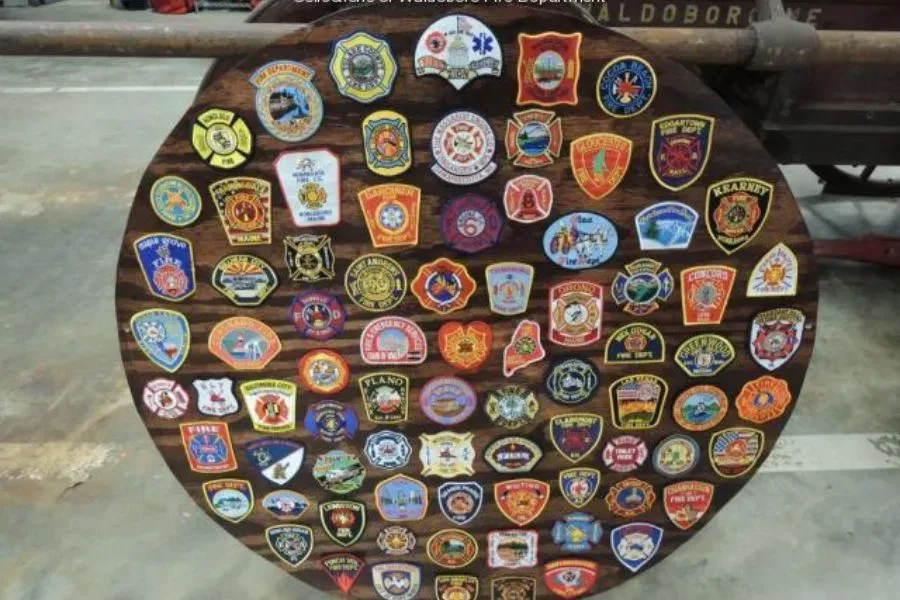
Display is about storytelling as much as presentation. Consider a dedicated display board, a shadow box, or a gallery-style frame that groups patches by theme or era. A binder with clear pages offers rearrangement flexibility as your library of patches evolves. Lighting matters too—avoid direct sun and maintain a cool, dry environment to preserve embroidered patches for years to come, while still enabling engaging patch display ideas.
Acquisition Strategies and Patch Collecting Tips
Growing a robust collection happens through a mix of careful buying, trading, and opportunistic finds at flea markets and convention booths. Start with patches you recognize and trust, especially those from reputable makers. Being selective helps you maintain a coherent library of patches and reduces impulse buys that clutter your catalog.
Honest descriptions and provenance matter as much as price. When trading, document patch condition and origin clearly, and use price guides or community threads to gauge typical values. For online purchases, request multiple angles, inspect for fading or thread pull, and confirm backing type. A thoughtful, ethics-forward approach to acquiring patches aligns with the best patch collecting tips and supports a respectful, long-term community.
Care, Maintenance, and Community: Growing Your Patch Library
Proper care extends the life of embroidered patches. Avoid long exposure to direct sunlight, moisture, or heat. If a patch collects dust, use a soft brush or gentle air to clean hands-off. When applying patches to fabric, follow backing instructions and reinforce edges to prevent fraying. Keeping a note of cleaning steps in the patch’s record helps you repeat or refine the process over time.
Community enriches your patch journey. Engage with patch trading groups and online communities to discover new patches, learn design histories, and gain feedback on your cataloging patches. Documenting stories behind each patch and sharing photos can broaden your understanding of patch display ideas, maker identities, and the broader world of embroidered patches, turning a personal library into a living archive of culture and memory.
Frequently Asked Questions
What is patch collecting and why are embroidered patches essential when building a library of patches?
Patch collecting is a hobby that blends history, art, and memory. Embroidered patches are a popular entry point because they showcase craftsmanship and tell stories—from bands and tours to city patches. To build a library of patches, define a scope, choose themes you love, and grow your collection with intention rather than chaos.
What patch collecting tips should beginners follow to start a library of patches featuring embroidered patches?
Start with a focused aim, such as embroidered patches from bands or travel patches for your library of patches. Set a small initial goal, create a simple catalog plan, and prioritize patches you genuinely connect with. Check backing types and condition, photograph items clearly, and maintain consistent labeling to build a solid foundation in patch collecting.
How should you catalog patches as part of cataloging patches in a growing collection?
Use a practical field set: patch name/event, year (if known), size, colorways, backing type, condition, and source. Store records digitally or on paper with a consistent naming convention. For embroidered patches, note thread integrity and edge condition. Regularly audit and update your cataloging patches entries as your collection expands.
What patch display ideas help showcase embroidered patches while preserving them?
Display ideas include cork boards, framed displays, and shadow boxes organized by theme or era. Use acid-free sleeves for storage and binders with clear pages for easy rearrangement. Keep patches out of direct sunlight and in a cool, dry place; ensure any patches with iron-on backing are fully cooled and secured before display.
How can you assess condition and provenance to maintain your library of patches and support consistent cataloging patches entries?
Apply a simple grading scale (e.g., Mint to Fair) and document fading, missing threads, backing damage, and other condition notes in your catalog. Record where each patch came from and the price when known to track provenance. This information helps with trades, preservation, and planning future acquisitions.
What patch collecting tips and ethics should guide you as you grow a patch collection and library of patches?
Follow patch collecting tips and ethics by buying or trading with reputable makers and sellers, verifying authenticity for vintage pieces, and being transparent about condition and provenance. Build a balanced library of patches with core items and interesting finds, and keep your cataloging patches records up to date to support responsible growth.
| Key Point | Description |
|---|---|
| What is patch collecting? | Patch collecting blends history, art, and memory. Patches come in forms like embroidered, woven, enamel, iron-on, and more; embroidered patches are especially approachable for beginners and reveal craftsmanship and design history. |
| Building a patch library | Define your scope and stories, set a practical size, and build a balanced library with core categories (e.g., band, travel, charity, regional). Start with a few patches, then catalog and refine over time. |
| Cataloging patches | Maintain a consistent catalog: patch name/event, year, size, colorway, backing, condition, source, and provenance. Use either a digital system or simple papers; document acquisition details for context. |
| Grading and condition | Use a simple rubric from Mint to Fair (M to F). For embroidered patches, note thread integrity, colorfastness, backing integrity, and edge fraying to guide storage and display decisions. |
| Storage and display | Protect patches with acid-free sleeves, archival envelopes, or display boards. Avoid direct sun, store in a cool, dry place, and ensure iron-on patches are cooled and secured after cleaning. |
| Acquisition strategies and ethics | Grow your collection through careful buying, trading, and occasional flea-market finds. Be honest about condition and provenance; verify authenticity for vintage items and document sources and prices when possible. |
| Care and maintenance | Limit sun exposure, avoid moisture and heat, and gently clean with appropriate methods. Record any cleaning steps in the catalog and reinforce patch edges as needed when affixing to fabrics. |
| Display ideas and community | Create themed displays, photograph patches for online catalogs, and share stories with others. Respect copyright and creator rights when displaying logos or artwork. |
| Next steps | Choose three patches of interest, plan their cataloging, and schedule quarterly reviews to update grades and displays as your library grows. |
Summary
Patch collecting is a journey that rewards curiosity, organization, and patience. It invites you to explore stories embedded in thread and color, to build a library that grows with intention rather than chaos, and to display memories in a way that protects them for years to come. By defining scope, cataloging meticulously, caring for patches, and engaging with a community, you’re not just amassing fabric—you’re preserving design history and personal memory. With steady habits and thoughtful display, Patch collecting becomes a living archive you can return to, year after year.
