
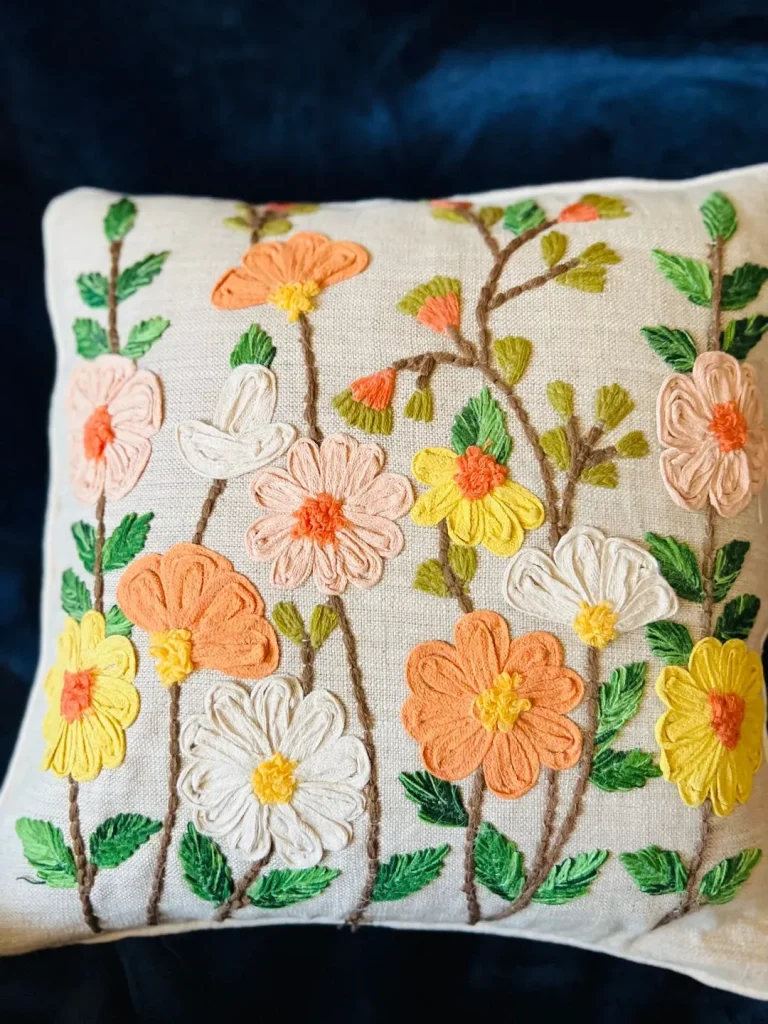
Embroidered home decor adds a timeless charm by blending artisanal stitching with contemporary design, inviting light to play across gentle textures and soft fabrics. From cushions to wall art, warmth and narrative fill the room as textures interact with natural light, casting subtle shadows that change with the day. A modern embroidery home decor approach pairs clean lines with expressive stitches, balancing heritage craft with minimal silhouettes that suit urban interiors. This adaptable craft lets you adjust color, scale, and texture to suit personal taste, lighting, and furniture, offering a flexible path from quick updates to more ambitious projects. Whether you start with a single cushion or a small wall panel, the process remains satisfying and rewarding, with countless opportunities to mix motifs, threads, and finishes.
Beyond the essence of this craft, the concept unfolds as textile embroidery that adds tactile texture and a crafted feel to rooms. Consider stitched textiles, fabric art, and needlework accents that echo the same warmth and personality, whether framed as wall pieces or used on cushions. This approach embraces artisanal techniques, from simple hand stitching to more elaborate designs, creating a handmade atmosphere that complements modern interiors.
Embroidered home decor: Elevating living spaces with cushions and color
Embroidered home decor adds tactile richness to cushions, throws, and seating areas. When you drape a cushion covered in delicate stitches, the room absorbs light, shadow, and texture, inviting guests to linger. The embroidery can reflect your color story, from soft neutrals to bold accents, making each piece a tiny work of art within a modern interior.
Choosing embroidered cushions lets you fine tune the room mood without reupholstering furniture. Linen and cotton blends provide a sturdy canvas for stitches, while colorfast threads preserve vibrancy. The option to customize scale and motif—florals, geometrics, or abstract shapes—aligns with both minimalist and maximalist aesthetics in modern embroidery home decor.
Embroidered cushions also offer seasonal versatility. Swap out a single cushion to refresh a sofa or chair, creating fresh texture and color without a full redecorating project. This adaptability is a hallmark of embroidered home decor and a practical way to manage evolving tastes.
Embroidered wall art: Texture-rich focal points for modern interiors
Embroidered wall art turns fabric into gallery quality pieces that anchor rooms with tactile color. Framed fabric panels, textile canvases, or stitched compositions can echo existing textiles in the room, creating harmony or deliberate contrast. The result is a softer, more inviting alternative to painted art, with subtle movement and shine from the threads.
When planning wall art, scale matters. A large panel can serve as a dramatic focal point, while a cluster of smaller pieces forms a curated gallery wall. If you are crafting at home, DIY embroidered decor projects can yield a coherent set that ties the space together with consistent color stories and motifs.
To protect the work, choose backing materials and framing that suit the embroidery. Acid-free mats, UV-protective glass, or shadow boxes help preserve color and stitch integrity over time.
Hand-stitched details: Craftsmanship that adds depth to textiles
Hand-stitched decor emphasizes the human touch that machine replication cannot easily match. Each stitch tells a tiny story, creating subtle irregularities that add character and warmth to cushions, wall pieces, and textiles. The slow rhythm of hand stitching invites a closer look and a deeper appreciation for the craft.
From satin stitches to French knots, the choice of stitches shapes texture, reflectivity, and weight on fabric. The right thread and backing allow stitches to sit crisply or softly, depending on the desired effect. This craft is well suited to hand-stitched home decor projects that celebrate tactile depth.
Pair hand-stitching with simple color palettes to highlight the texture. Narrow motifs or geometric lines can become statement elements when stitched by hand, aligning with contemporary aesthetics while honoring traditional techniques.
DIY embroidered decor: Starter projects that build confidence and style
Starting with easy projects helps you learn stitches and fabric behavior without overwhelm. A simple running stitch on a cotton cushion cover introduces texture and pattern while offering immediate visual payoff. As confidence grows, you can tackle floral motifs, abstract shapes, or monograms to personalize pieces.
DIY embroidered decor encourages experimentation with color blocking and thread types. Try colorfast cotton threads on linen to achieve a matte finish, or silk threads for a subtle sheen. Crafting a coordinated set of cushions or small wall hangings helps establish a cohesive look across a space.
Documenting the process can be part of the project. Take photos and note colors and densities to reuse in future pieces. The sense of progress and the tangible results provide motivation to continue exploring hand-stitched home decor possibilities.
Modern embroidery home decor: Bridging tradition with contemporary palettes
Modern embroidery home decor blends traditional stitches with bold, clean color palettes and graphic shapes. You can juxtapose delicate florals with geometric lines to create visual tension that reads both timeless and current. This approach makes embroidery relevant in contemporary interiors without sacrificing the craft’s warmth.
Think about negative space, scale, and repetition when planning pieces. A single large motif on a cushion becomes a focal point, while a series of small stitched panels creates a rhythm that unifies a wall or seating area. The interplay of texture and color elevates the room beyond flat textiles.
Using a curated mix of natural materials, such as linen, cotton, and jute, enhances the tactile quality of embroidered decor. Earthy neutrals pair well with pops of jewel tones or muted accents, helping to balance bold stitches with room lighting and architectural features.
Caring for embroidered pieces: Longevity through mindful maintenance
Care extends the life of embroidered pieces and preserves color, texture, and stitch integrity. Regularly dust cushions and wall panels with a soft brush, and address any minor fraying or thread sneaking with careful trimming. Following fabric care labels ensures the embroidery remains intact through cleaning cycles.
Storage matters as well. Store seasonal pieces in breathable fabric bags and avoid exposing textiles to prolonged direct sunlight to prevent fading. Rotating cushions and wall art keeps spaces fresh while reducing wear on any single item.
With proper care, embroidered home decor can become heirloom quality items that hold meaning across years. A thoughtfully curated collection of cushions and wall art can tell a living story of color, texture, and craft that evolves with your space.
Frequently Asked Questions
How can Embroidered home decor like embroidered cushions add texture and warmth to a living room?
Embroidered cushions anchor seating and introduce tactile texture through raised stitches. Choose fabrics like linen or cotton blends, select appropriate stitch density, and coordinate thread colors with your palette to create a cohesive, warm look in your space.
What makes embroidered wall art a compelling option in embroidered home decor?
Embroidered wall art offers a soft, tactile alternative to paintings, adding depth and narrative. Consider scale for the wall, frame or mount options, and how the piece echoes or contrasts with existing textiles to form a balanced gallery or focal point.
What are beginner-friendly tips for DIY embroidered decor projects?
Start with a small cushion cover using simple stitches like running stitch or backstitch on forgiving fabrics such as cotton. Transfer a design, practice on scrap fabric, limit to two or three thread colors, and finish with clean edges to build confidence and skill.
How should I care for hand-stitched home decor to keep colors and texture vibrant?
Dust gently with a soft brush, and wash only if needed using a delicate cycle with mild detergent. Air dry to preserve stitches, avoid prolonged sun exposure, and store seasonal pieces in breathable bags to maintain color and form.
What should I consider when selecting modern embroidery home decor to create a cohesive look?
Think about lighting, color story, and existing textures. Mix embroidered cushions with wall art to invite texture without visual clutter, use negative space, and aim for harmony between pieces so the collection feels intentional.
Which materials and stitches are common in embroidered home decor, and how do they affect durability?
Common fabrics include linen and cotton, with stitches such as satin stitch, backstitch, running stitch, and French knots. Use appropriate stabilizers or backing to prevent distortion, and choose durable threads to ensure long-lasting embroidered home decor that ages well.
| Aspect | Key Points |
|---|---|
| Introduction | Embroidered home decor blends craft with modern design, adds texture, warmth, customization (color, pattern, scale), and emphasizes handmade detail and heirloom quality. |
| Why embroidered design works in home decor | Adds depth through texture and tactile interest; stitches catch light for dimension; scalable from tiny motifs to bold designs; suitable for various styles and good for color experimentation and storytelling. |
| Applications: Cushions | Natural entry point; cushions anchor seating, pull colors together, or add texture; consider fabric compatibility, stitch density, and thread choice; ranges from traditional florals to modern abstracts. |
| Applications: Wall Art | Framed fabric panels or textile canvases; soft, tactile alternative to painting; plan scale relative to space; large panels as focal points; smaller pieces for gallery walls. |
| Techniques, Materials, and Craftsmanship | Stitches like satin, backstitch, running stitch, French knots, couching; fabrics such as linen and cotton; backing to prevent distortion; hand-stitching adds character over machine work. |
| Design tips for modern embroidery | Blend traditional motifs with contemporary palettes; pair motifs with solid backgrounds; use negative space and asymmetry; ensure harmony with existing textiles. |
| Color and texture | Earthy tones for warmth; vibrant colors for a modern edge; start small to test mood before larger pieces. |
| Care and maintenance | Dust gently; wash per care labels; avoid prolonged sunlight; store seasonal pieces in breathable bags to preserve color and stitch integrity. |
| Choosing the right pieces | Consider lighting, color story, and textures; decide between soft cushions or dramatic wall art; aim for cohesive integration within the space. |
| DIY and project ideas | Start with simple cushions; progress to botanical or geometric motifs; create a set of coordinating wall art; adapt to skill level and space. |
| Starter steps | Define goal; choose fabric; plan thread colors; transfer design; practice stitches; begin stitching; assess balance; finish neatly. |
| Maintenance of a curated collection | Rotate cushions seasonally; swap wall art; store off-season pieces; use a rotating display to show evolving embroidery history. |
Summary
HTML table provided above summarizes the key points of the base content. The conclusion follows, written in a descriptive style with SEO focus for Embroidered home decor.
