
Backing, Threads, and Stabilizers for Durable Patches are the three core decisions that determine how a patch survives daily wear, frequent washing, and the rough handling of uniforms and gear, because each element contributes a distinct kind of strength—from how the patch anchors to fabric and resists distortion during movement to how it maintains its shape after repeated laundering, prolonged sun exposure, and daily abrasion on active workloads. Choosing the right backing options for embroidered patches involves weighing adhesive strategies such as iron-on heat-activated resins, self-adhesive films, or sew-on options, fabric compatibility such as woven, knit, suede-like textures, or uneven surfaces, application workflow such as DIY mounting versus professional sewing or batch processing in production lines, and long-term wash performance, so the patch remains secure without compromising comfort, flexibility, or fabric integrity across diverse garments and usage scenarios, and helps avoid costly returns, callbacks, and customer complaints. Stabilizers for embroidery patches are the unseen support layers that prevent distortion during stitching and wear, offering a spectrum from tear-away for dense designs on woven fabrics to cut-away for stretchy materials or heavy patches, plus wash-away formulations for delicate textiles, toppers that protect stitch outlines, and underlay techniques that preserve crisp edges, minimize puckering, and reduce fabric hoop marks, even on slippery or bulky fabrics. Thread types for durable patches matter as much as the base fabric, with polyester delivering colorfastness, abrasion resistance, and high tensile strength; rayon offering a luxurious sheen but potentially lower colorfastness; cotton furnishing a traditional texture; and nylon adding extra resilience for heavy embroidery, all of which must be matched to stitch density, needle size, thread weight, and surface finish to achieve consistent brightness and durability. Putting these ideas into practical use requires a rigorous testing protocol—start with swatches that mimic the target fabric, run multiple wash cycles, simulate field wear under varying temperatures and humidity, capture quantitative data such as tensile draw, edge fidelity, and stitch count retention, and iterate on backing, stabilizer, and thread choices, so you can rely on durable embroidered patches tips that guide future projects and avoid costly reworks while also providing a clear, shareable standard for teams and vendors.
Viewed through a broader lens, these components become the patch’s foundation, reinforcement layers, and thread choices—sometimes described in supplier catalogs as support fabrics, stabilizing matrices, and embroidery yarns. Discussing backing materials as support fabrics or adhesion options helps teams evaluate fabric compatibility, laundering needs, and whether a patch should be sewn-on or heat-activated, while also considering ease of replacement or removal. For stabilization, terms like tensioning layers, hoop protection, and various stabilizer classes reflect how the design holds its edge under stitch density and fabric type. When talking about thread, synonyms such as stitching yarns, embroidery floss, or coating-enhanced threads align product briefs with supplier terminology and consumer expectations. This LSI-informed framing supports clearer communication, reduces rework, and guides you toward patches that endure daily use across diverse materials.
Backing, Threads, and Stabilizers for Durable Patches: A Holistic Overview
Embroidery elevates apparel, bags, hats, and gear with personality and toughness. When you aim for patches that endure, you must look beyond the design and focus on the trio that makes it stick: backing, threads, and stabilizers. This overarching framework—Backin g, Threads, and Stabilizers for Durable Patches—drives performance in wear, washing, and daily handling, ensuring the patch remains visually strong and securely attached.
A thoughtful combination of backing, stabilizers, and threads acts like a foundation and framework for durability. You’ll want to test how each element interacts on the target fabric, because performance hinges on fabric type, laundering frequency, and patch size. The result is patches that not only look sharp on day one but continue to perform season after season.
Backyard Options and Practical Choices: Backing Options for Embroidered Patches
Backings provide the essential support that keeps embroidery from distorting or peeling away. When selecting backing options for embroidered patches, consider how the fabric surface, garment type, and laundering routine will interact with adhesive or stitching. From sew-on to iron-on and even twill-backed materials, each choice has different long-term behavior on different fabrics.
Iron-on backing offers convenience for quick projects, while sew-on backing emphasizes durability where stitching access is available. Twill or dyeable backings help with shape retention and edge stability, and adhesive-backed films offer semi-permanent bonds. Evaluating these backing options for embroidered patches against the end-use helps you balance ease of application with lasting attachment.
Stabilizers for Embroidery Patches: Preserving Shape and Detail
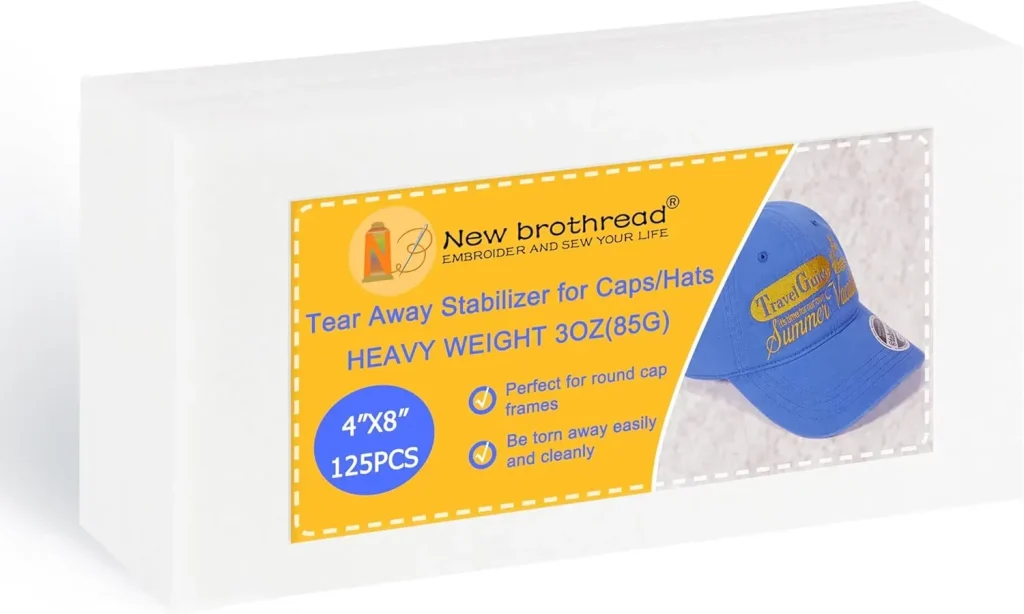
Stabilizers are the silent workhorses that keep embroidery from distorting fabric during stitching. They help prevent puckering, hoop dents, and edge collapse, which is especially important for patches with dense stitch patterns. Selecting stabilizers for embroidery patches requires considering fabric weave, patch size, and the design’s stitch density.
Tear-away stabilizers provide strong temporary support on woven fabrics and are easy to remove, while cut-away stabilizers remain in place for stretchier fabrics or heavier patches. Wash-away stabilizers dissolve in water for delicate fabrics, and toppers or underlay stitches help preserve crisp edges. Testing a sample on the intended fabric will reveal the best balance between support and comfort.
Thread Types for Durable Patches: Color, Strength, and Longevity
Thread choice is a major determinant of both the look and the life of a patch. Polyester is typically the workhorse for durability, offering colorfastness, resistance to shrinking, and good performance under washing. Rayon provides a rich sheen but can be less colorfast in some environments, making it more suitable for premium appearances rather than daily wear.
Cotton threads give a traditional look but may wear faster in frequent washing, while nylon threads offer extra strength for heavy embroidery and thick patch layers. When selecting thread types for durable patches, balance colorfastness, finish, and ply (thickness) with stitch density to reinforce edges and key design elements without overbuilding the patch.
How to Choose Embroidery Patch Materials: Fabric, Finish, and Function
Choosing the right embroidery patch materials starts with understanding the garment or item the patch will adorn. How to choose embroidery patch materials involves evaluating fabric composition, weave, and the expected wear environment. Tough patches for workwear may need heavier fabrics, stronger backings, and denser stitching than decorative patches for light apparel.
In addition to fabric type, consider finish, weight, and color stability. Lighter knits may benefit from flexible backings and gentle stabilizers, while canvas or denim patches may require sturdier backings and reinforced threads. Aligning material selection with intended life, laundering expectations, and surface texture helps ensure durable performance.
Durable Embroidered Patches Tips: Testing, Care, and Longevity
Durable embroidered patches tips emphasize the importance of real-world testing. Run patch trials on similar fabric swatches, evaluating stitch quality, edge definition, and how the patch behaves after washing. Systematic testing reduces rework and helps identify the best backing-stabilizer-thread combination for the project.
Care and maintenance are essential to longevity. Store patches away from direct sunlight to prevent fading, and follow laundering guidelines that protect the bond and minimize edge brittleness. Regular inspection after laundering and adjusting stitch density or backing choice based on wear patterns will help you deliver patches that stay vibrant and securely attached over time.
Frequently Asked Questions
What are the best backing options for embroidered patches to maximize durability, and how do they work with stabilizers for embroidery patches and thread types for durable patches?
Backing options for embroidered patches (sew-on, iron-on, twill, and adhesive-backed films) provide different anchors and flex. For durability, match the backing to fabric and laundering needs, and pair it with an appropriate stabilizer (cut-away for stretch, tear-away for woven fabrics) and a sturdy polyester thread to preserve color and shape. Always test on a swatch to confirm performance after washing.
Which stabilizers for embroidery patches provide the best shape retention across fabrics when using durable thread types for patches?
Stabilizers for embroidery patches include tear-away, cut-away, and wash-away, plus top stabilizers and underlay helps. Use cut-away for stretchy or heavy patches and tear-away for woven fabrics with dense stitching; pair with a durable polyester thread to maintain edge definition and colorfastness.
How do you choose thread types for durable patches when considering different backing options for embroidered patches and stabilizers for embroidery patches?
Thread types for durable patches commonly include polyester, nylon, rayon, and cotton. Polyester offers colorfastness and wash resistance, nylon adds strength, and rayon provides sheen but may fade with time. Align thread choice with the backing options for embroidered patches and compatible stabilizers to maximize durability.
How can the guidance on how to choose embroidery patch materials help you pick backing, stabilizer, and thread combos for durable patches?
Start by evaluating fabric, wash frequency, and patch size. Then select backing options for embroidered patches, choose a stabilizer suited to fabric and design, pick thread types for durable patches, and run a test patch to verify results before production.
What durable embroidered patches tips should you follow to optimize backing, threads, and stabilizers for the best wear and wash results?
Durable embroidered patches tips include testing swatches with your chosen backing, stabilizer, and thread combination; avoiding overly dense stitching; using sew-on backing for long wear on uniforms; selecting high-tensile polyester thread for colorfastness; and checking stabilizer residue after washing.
Can you provide a practical checklist for selecting the right combination of backing, stabilizers, and threads to create durable patches?
Yes. 1) define use and laundering needs; 2) choose backing options for embroidered patches; 3) pick stabilizer appropriate for fabric and design density; 4) choose thread types for durable patches (polyester as a default); 5) run a test patch to verify results; 6) review production workflow and cost to finalize the combination.
| Component | Key Points |
|---|---|
| Backing | – Foundation for durability; affects wear, feel, and application/removal. – Common options: iron-on (quick, but may wash out); sew-on (very durable but labor-intensive); dyeable/twill backings for shape retention; adhesive-backed film/tape for semi-permanent bonds. – Choice depends on fabric, garment, laundering frequency, and permanence. Interaction with design complexity matters. |
| Stabilizers | – Prevents distortion, puckering, and hoop dents. – Types: tear-away (remove after stitching); cut-away (permanent, good for stretch/heavy patches); wash-away (dissolves in water); toppers/underlay to protect surface and improve crispness. – Selection depends on fabric, patch size, and design complexity; test on sample fabric. |
| Threads | – Polyester (durable, colorfast, wash-fast) is usually preferred for durable patches. – Rayon (sheen and rich color, less colorfast). – Cotton (natural look, less colorfast, wears faster). – Nylon (very durable for heavy embroidery). – Consider thread weight, colorfastness, and finish; higher ply adds strength but can increase bulk; for heavy use, pair robust polyester with higher stitch density. |
| Integrating Backing, Stabilizers, and Threads | – Durability comes from how backing, stabilizer, and thread work together to resist wear and washing. – Test combinations on actual garment swatches to confirm performance before mass production. |
| Practical Approach to Material Selection | – Ask: What fabric is the patch going onto? How often will it be washed or abraded? What is the patch size and detail level? – Lightweight fabrics: sew-on backing + cut-away stabilizer for flexibility. – Heavier fabrics: twill backing + tear-away stabilizers for robustness. – Highly detailed patches: toppers/underlay and high-quality polyester thread for precision. – Plan for frequent washing with stable backings and durable thread. |
| Step-by-Step Guide | 1) Define patch purpose and environment. 2) Select backing based on fabric and application (semi-permanent vs permanent). 3) Pick stabilizer per fabric type and embroidery density. 4) Choose a durable, colorfast thread (polyester). 5) Run a test patch and evaluate. 6) Review production workflow and labor costs. |
| Care and Maintenance | – Backing: sew-on is most durable; iron-on may lose adhesion with heat; air-dry and low heat when possible. – Stabilizers: remove tear-away residues; trim edges of cut-away; wash-away leaves no residue but ensure support isn’t needed long-term. – Threads: polyester is typically colorfast; avoid prolonged sun exposure. Store patches away from direct sunlight. |
| Troubleshooting | – Mismatched backing and fabric can cause puckering; adjust backing/stabilizer combo. – Overly dense stitching strains fabric; adjust density. – Skipping test runs leads to costly rework; test on similar fabrics. – Inconsistent thread color when mixing types; aim for same brand/batch for consistency. |
Summary
Conclusion: Backing, Threads, and Stabilizers for Durable Patches require careful selection and testing to ensure longevity. A thoughtful combination maintains design beauty while keeping the patch securely attached through wear and washing. By understanding the roles of backing options, stabilizers, and thread types, you can tailor patches for a range of fabrics and environments—from lightweight jerseys to heavy canvas. Start with a clear assessment of use, laundering expectations, and fabric interaction, then build a solution that emphasizes durability, quality, and ease of application. In the end, patches that endure balance foundation, support, and finishing touches, delivering vibrant color and precise detail over time.
