
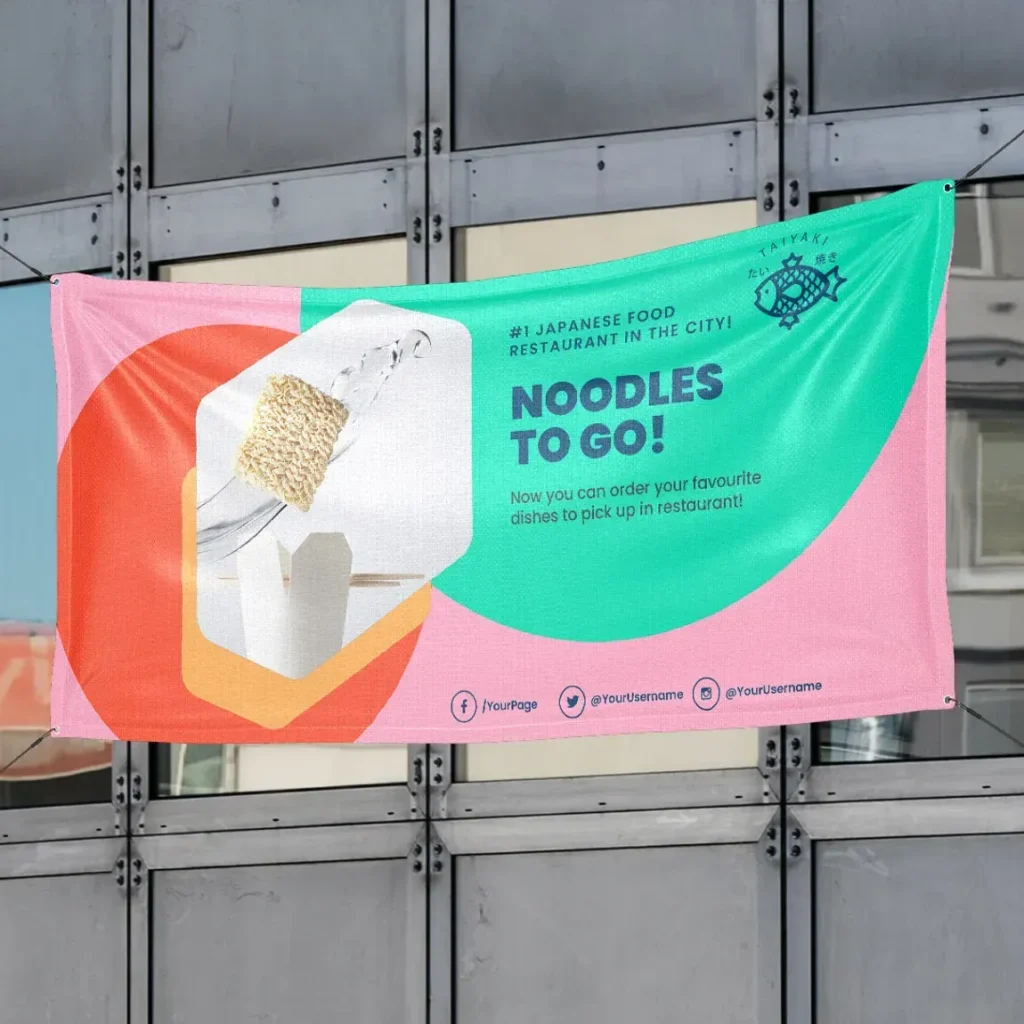
Custom banner materials shape how campaigns capture attention, influence perception, and drive action. From vinyl banners for outdoor events to indoor venues, choosing the right substrate matters for durability, legibility, weather resistance, and overall impact on your message. This guide compares popular materials, outlining practical trade-offs in print quality, setup, folding behavior, and long-term performance across different environments. By balancing cost with resilience, color fidelity, and ease of installation, brands can select options that keep branding consistent across campaigns. Whether you are launching a quick promotion or sustaining visibility over a season, thoughtful material choice supports reach and return on investment.
From a different perspective, think of banner substrates and print media as the building blocks of effective signage. Signage surfaces vary from robust vinyl sheets to lighter textiles, each delivering distinct textures, durability, and light handling that affect readability. Choosing between these options depends on whether the goal is outdoor resilience, indoor elegance, or a balance of both over time. Advances in printing technology and sustainable materials also inform decisions, guiding brands toward responsible, high-impact communication.
Vinyl Banners for Outdoors: Durability, Visibility, and Outdoor Performance
Vinyl banners remain a go-to choice for outdoor campaigns due to their rugged durability and weather resistance. When exposed to sun, wind, and rain, vinyl banners can maintain bold logos, sharp text, and vibrant colors, especially when printed with UV-resistant inks and protected by a laminate. This material is a staple for storefront promotions, festival signage, and event displays where longevity and legibility in varying light conditions matter most.
For quick-turn campaigns and cost-conscious outdoor use, vinyl banners offer practical advantages like strong color saturation and high print resolution. They are also relatively easy to install with grommets, pole pockets, or edge hems, which simplifies hanging and reduces the need for frequent replacements. While heavier and more prone to glare from glossy finishes than some fabrics, vinyl’s durability often makes it the most cost-effective option over several weeks to a few months of outdoor exposure.
Fabric Banners: Indoor Aesthetics, High-Quality Prints, and Portability
Fabric banners provide a premium indoor presentation with a soft, upscale look that reduces glare and delivers smooth color transitions. Usually made from polyester or similar woven fabrics, they excel at displaying photos, gradients, and fine text with refined detail, making them ideal for trade shows, corporate lobbies, and interior advertising where aesthetics matter as much as messaging.
One of fabric banners’ strongest selling points is portability. Lighter weight and less prone to creasing when properly finished with hems and flat seams, fabric banners are easier to transport between events and during daily office usage. Although weather resistance is not as robust as vinyl, with weather-resistant coatings or lamination they can perform in semi-outdoor settings or covered outdoor spaces, while still offering a premium look.
Eco-Friendly Banner Materials and Custom Banner Materials: Sustainability Without Sacrificing Performance
Eco-friendly banner materials are gaining traction for brands that want to align signage with sustainability goals. PVC-free vinyl alternatives, recycled PET substrates, and fabrics made from recycled fibers reduce environmental impact while maintaining professional print quality. These options often leverage water-based inks and eco-conscious coatings to minimize VOCs and waste from production to disposal.
When evaluating eco-friendly choices, it’s important to verify that durability, weather resistance, and color fidelity meet your project needs. Engineered coatings, laminates, and robust inks help ensure long outdoor lifespans even with PVC-free substrates. By considering the full lifecycle—from production to end-of-life—brands can choose banner materials that support sustainability without compromising impact or readability.
Banner Material Comparison: A Practical Side-by-Side Analysis
A banner material comparison helps marketers understand the trade-offs between vinyl banners, fabric banners, and eco-friendly options. Durability, weight, and weather resistance vary by material, influencing how long a display will look crisp outdoors and how easy it is to handle indoors. In many cases, vinyl delivers punchy colors and strong outdoor performance, while fabric offers a softer appearance and premium indoor presence.
Cost considerations also shift with materials. Vinyl typically provides a favorable total cost of ownership for short- to mid-term outdoor campaigns, whereas fabric carries added value in aesthetics and portability for indoor and trade show environments. Eco-friendly options can be priced competitively, especially when lifecycle costs—maintenance, replacement frequency, and disposal—are factored into the equation.
Custom Banner Printing Techniques: Ink, Finish, and Longevity
Custom banner printing techniques play a major role in color fidelity, vibrancy, and durability. Latex, solvent-based, and UV-curable inks each have distinct advantages depending on the material and intended environment. For vinyl banners, latex inks often provide durable, vibrant outcomes with lower odor and faster curing times, while on fabric banners pigment inks and dye-sublimation offer excellent color reproduction and wash-fast performance.
Finish and coating choices—lamination, UV coatings, edge finishing, and reinforced corners—greatly influence longevity and resistance to fading, moisture, and creasing. Selecting the appropriate combination of substrate, ink, and finishing helps ensure consistent results across campaigns and reduces the risk of color shifts or edge cracking during handling and display.
Practical Guide to Choosing the Right Material: Goals, Costs, and ROI
To choose effectively, start by aligning banner material with display goals, placement, and duration. Indoor environments may favor fabric banners for a premium look, while outdoor campaigns may benefit from vinyl banners for durability and visibility. Consider weather exposure, installation method, and the required balance between aesthetics and performance.
Understanding the total cost of ownership—and the potential ROI—helps justify the material choice. While vinyl generally offers lower upfront costs and strong outdoor durability, fabric banners can justify higher prices with premium appearance and portability. Eco-friendly options may appeal to sustainability-minded audiences and offer competitive long-term value when maintenance and disposal are factored into the plan.
Frequently Asked Questions
When evaluating Custom banner materials, how should I choose between vinyl banners and fabric banners for my project?
Vinyl banners are typically the best choice for outdoor use and quick-turn campaigns due to durability, weather resistance, and sharp printing. Fabric banners offer a premium indoor look, lighter weight, and easier handling, though they may require weather-resistant finishes for outdoor use. For best results, compare durability, appearance, installation, and total cost of ownership as part of a banner material comparison.
What makes vinyl banners a practical choice for custom banner printing in outdoor campaigns?
Vinyl banners deliver high print quality and strong color saturation, with excellent resistance to rain, wind, and sun when finished with lamination and UV inks. They are relatively affordable and easy to install with grommets or pole pockets. Consider climate, display duration, and portability when planning.
How do fabric banners compare to vinyl banners in a banner material comparison for indoor events?
Fabric banners provide a premium aesthetic with reduced glare and smooth color transitions, ideal for trade shows and interiors. They are lighter and less prone to creasing but generally less durable outdoors unless treated. Weigh print quality, handling, and indoor goals against outdoor requirements.
What eco-friendly banner materials are available for custom banner printing, and do they meet outdoor performance needs?
Eco-friendly banner materials include PVC-free vinyl alternatives and recycled PET substrates, often printed with water-based inks. They aim to lower environmental impact while preserving durability, color, and outdoor resistance. Always verify performance and lifecycle details, including recyclability and end-of-life options, for your specific project.
How does the banner material comparison guide help align material choices with sustainability goals and branding when selecting Custom banner materials?
Use the guide to compare durability, environmental impact, and cost across vinyl, fabric, and eco-friendly options while considering your brand’s values and display duration. Consider lifecycle thinking, printing compatibility, and total cost of ownership to choose a material that supports branding and sustainability goals over time.
What finishing, maintenance, and lifecycle considerations should I expect across vinyl banners, fabric banners, and eco-friendly options in a practical guide to Custom banner materials?
Plan for finishing features like grommets, hems, and laminates that suit each material. Follow cleaning and storage recommendations to maximize longevity, and schedule rotation or replacement based on exposure and wear. Understanding maintenance helps protect color fidelity and structural integrity for all Custom banner materials.
| Topic | Key Points |
|---|---|
| Vinyl Banners | Durable, weather-resistant, high-resolution print; ideal for outdoor use (storefronts, events); cost-effective over time; considerations: weight, glare from gloss, folding behavior; versatile installation options (grommets, pole pockets, edge hems). |
| Fabric Banners | Lightweight, portable, and indoor-friendly with premium appearance; excellent print quality and color transitions; less glare; easier handling but poorer performance outdoors without coatings; higher cost per ft²; care includes hemming/flat seams to reduce creasing. |
| Eco-Friendly Options | PVC-free alternatives, recycled substrates, and water-based inks; lifecycle considerations; durability and weather resistance must be verified; often comparable print quality with appropriate coatings/lamination; supports sustainability goals. |
| Choosing the Right Material | Consider purpose and location, display duration, weather exposure, print quality needs, handling/installation, sustainability goals, and total cost of ownership. |
| Finishing & Maintenance | Grommets, pole pockets, edge hems, laminates; UV coatings for color stability; cleaning guidance varies by material (vinyl vs. fabric); maintenance impacts longevity. |
| Industry Trends & Printing | Latex, solvent-based, and UV-curable inks offer different color, durability, and environmental profiles; material choice interacts with printing process to affect results and risk (edge cracking, color shifts, bleeding). |
| Cost & ROI | Vinyl: low upfront cost with strong outdoor durability; Fabric: higher price with premium aesthetics and portability; Eco-friendly options vary; overall ROI depends on longevity and impact, not just upfront price. |
| Practical Tips | Define goals, test in context, plan maintenance, and align with brand standards to maximize performance across materials. |
Summary
Table summarizes key points about vinyl, fabric, and eco-friendly banner materials, including durability, print quality, indoor/outdoor suitability, finishing, maintenance, and cost considerations. It also highlights decision factors and practical tips for selecting the right material.
