
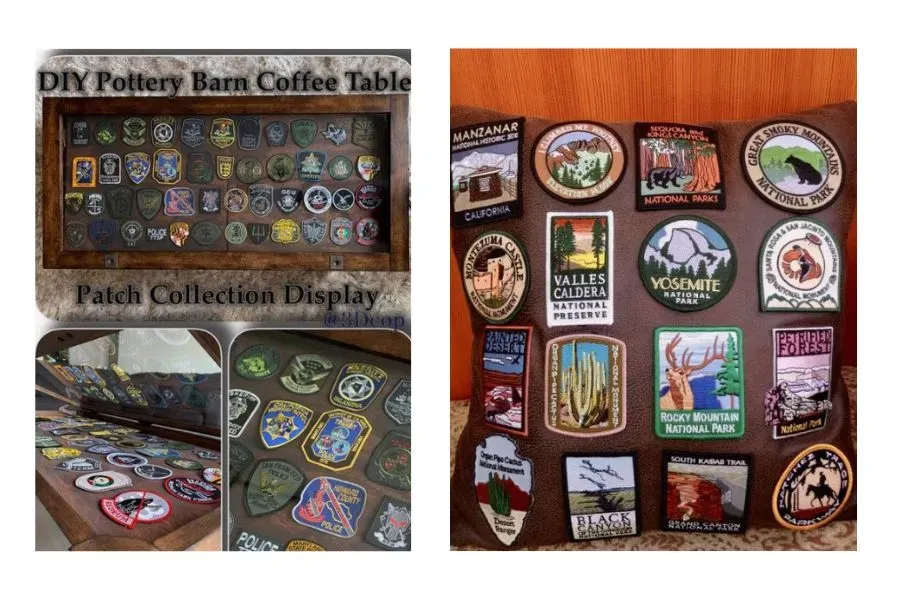
Patch Collecting is a doorway into history, craftsmanship, and personal storytelling. This hobby blends the bold colors of embroidered patches with the precision of woven designs, making every patch a small work of textile art. For collectors, patch storage ideas and display cases for patches are more than storage; they are part of the experience that protects color and detail. Whether you are drawn to military patches or symbols from clubs and events, Patch Collecting can grow with you, offering history and personal meaning. This guide introduces the fundamentals of starting, storing, and displaying to help you enjoy and share your collection for years to come.
You can think of this as a badge and insignia collecting hobby, where fabric emblems tell stories of makers, moments, and missions. It’s about curating a small archive of embroidered patches, woven designs, and enamel pins that reflects taste, history, and craft. Developing a thoughtful approach to sourcing, storage, and display helps any enthusiast build an organized, visually engaging collection. As you grow your textile badge collection, you will see how provenance, condition, and presentation influence value and storytelling.
Patch Collecting Focus: Define Your Starting Point
The first step in Patch Collecting is to decide what you want to collect and why it matters to you. Starting with a clear focus—such as military patches, embroidered designs from independent makers, or logo patches from clubs and events—helps you avoid impulsive buys and builds a meaningful foundation for your collection.
A practical starting plan might include selecting five to ten patches that cover a spectrum, for example: one military patch, a couple of embroidered pieces, and a few from a favorite era or brand. With a defined focus, you can grow thoughtfully, track provenance, and develop a personal narrative that makes Patch Collecting feel cohesive rather than overwhelming.
Understanding Patch Types and Quality for Smart Collecting
Patch types vary, and recognizing embroidery, weaving, and PVC or rubber patches helps you align purchases with your goals. Embroidered patches often offer rich texture and depth, woven patches tend to be crisper and lighter, and PVC patches bring durability and a modern, 3D look.
Quality indicators—stitch count, edge finishing, backing, and colorfastness—determine how long a patch will look good in your collection. For military patches, accuracy, provenance, and authentic insignia details matter. Understanding these differences early helps you evaluate value and avoid common missteps as you grow your holdings.
Sourcing Patches Responsibly: Where to Find Good Additions
Discovering new patches is one of the most enjoyable parts of the hobby. Explore in-person venues like flea markets, swap meets, patch shows, and conventions to inspect patches up close and learn from other collectors.
You can also source through official merchandise channels, reputable online marketplaces, and dedicated community groups. Keeping a simple provenance record for each patch—where you found it, its background, and any notes—helps you understand its place in your collection and supports smarter future purchases.
Patch Storage Ideas: Preserve and Organize Your Collection
Storage plays a crucial role in preserving color, texture, and overall condition. Use acid-free sleeves or tissue wrappers to protect patch surfaces, and consider archival portfolios or binders with mounting sheets for valuable pieces.
Humidity control, clean backing, and thoughtful organization keep your patches accessible and legible. Grouping by type, era, or theme and maintaining a digital catalog with photos and notes ensures you can review and plan growth without sacrificing care.
Display Cases for Patches: Create a Visual Gallery
A well-chosen display setup turns your patches into a focal point and educational tool. Dedicated display cases or wall-mounted shadow boxes with UV-filtering glass help preserve colors while showcasing your collection prominently.
Think about wall versus freestanding displays, archival framing, and even rotating showcases to keep the collection dynamic. Proper lighting, even spacing, and a clean grid layout ensure each patch shines and can be discussed with visitors or fellow hobbyists.
Building Value and Community: The Social and Historical Side of Patch Collecting
As your collection grows, some patches gain historical significance or rarity. Value is influenced by condition, provenance, and story, so balance aspirational pieces with what fits your space and budget.
Engaging with fellow collectors through clubs, events, and online forums enhances learning and enjoyment. Sharing your experiences, trading patches, and collaborating on care and preservation can deepen your appreciation for embroidered patches, military patches, and the broader patch universe.
Frequently Asked Questions
What is Patch Collecting and how do I define my initial Patch Collecting focus (e.g., military patches, embroidered patches)?
Patch Collecting is the hobby of seeking patches that tell stories about history, craftsmanship, and community. To start, define a focus: choose a category such as military patches, embroidered patches from smaller brands, or logo/event patches. A clear focus guides what you source, how you value items, and how you catalog and display them. Start with a small, representative set (five to ten patches) across your chosen themes, and plan simple patch storage ideas and a future display approach as you grow.
What are the main patch types I will encounter in Patch Collecting, and how do I judge their quality (embroidered patches, woven patches, PVC patches)?
The main patch types include embroidered patches, woven patches, and PVC patches. Embroidered patches tend to have dense thread detail; woven patches offer a crisper look and lighter weight; PVC patches are durable with a 3D feel. When evaluating quality, look for stitch count, edge finishing, backing type, and colorfastness. For items like military patches, ensure accurate insignia replication and provenance. Choose patches that align with your Patch Collecting goals and display plan.
Where should I source patches for Patch Collecting, and how can I apply patch storage ideas during sourcing?
Sourcing options include in-person venues (flea markets, patch conventions), official merchandise or brand shops, online marketplaces, and community groups or clubs. As you source patches for Patch Collecting, plan your patch storage ideas from the start: use acid-free sleeves or archival portfolios, maintain a simple digital catalog with provenance notes, and label shelves or binders to make future display and review easy.
How can I display patches in Patch Collecting, and what are best practices with display cases for patches?
Display Patch Collecting pieces in a way that protects and showcases them. Use display cases for patches or wall-mounted shadow boxes with UV-filtering glass to protect colors. Decide between wall displays or freestanding cases, and consider archival mats and acid-free backing if framing. Use soft, even lighting and rotate patches to keep the collection dynamic while avoiding excessive sun exposure.
How should I catalog and care for patches in Patch Collecting, especially for military patches and embroidered patches?
Maintain a clear catalog that includes patch name, origin, date, and notes to track provenance and context. Regularly review patches for wear and damage, and address issues promptly. For care, store patches in acid-free sleeves, keep them in a dry environment (roughly 40-50% humidity), and avoid direct sunlight. Group and label patches by type (military patches, embroidered patches, etc.) to streamline updates and future display planning.
What common pitfalls should new Patch Collecting enthusiasts avoid, including authenticity and display mistakes with display cases for patches?
Common pitfalls include overbuying, chasing fakes, neglecting provenance, and poor storage or display leading to damage. To avoid these, research patch catalogs, verify authenticity with trusted collectors, keep a budget and goals, and use proper patch storage ideas. When you display patches, use appropriate display cases for patches to protect the items and present them clearly, keeping your collection organized and enjoyable.
| Aspect | Key Points | Notes |
|---|---|---|
| Getting Started: Focus | Define what you want to collect; common starting points include military patches, embroidered patches from smaller brands, and logo patches; a clear starting path helps avoid overbuying; set a practical initial goal (e.g., 5–10 patches across categories). | Basis for the collection and a sample starting goal align with Patch Collecting 101. |
| Patch Types & Qualities | Types: embroidered, woven, PVC; Characteristics: embroidered patches are dense, woven patches are crisper and lighter, PVC patches are durable with 3D feel; Quality factors: stitch count, edge finishing, backing, colorfastness; military patches require careful insignia replication and provenance. | Understanding differences helps choose patches that fit your goals. |
| Sourcing Patches | Channels: in-person venues (flea markets, swap meets, patch shows), official merchandise/brand shops, online marketplaces, community groups; Tips: verify backing types, sizing, color accuracy; provenance matters for authenticity. | Combine hands-on and trusted online sources with attention to provenance. |
| Storage Ideas | Store in acid-free sleeves or tissue wrappers; consider archival portfolios; maintain humidity around 40–50%; use stable backing for display; organize by type/theme/era; keep a digital catalog with photos and notes. | Focus on longevity, readability, and easy retrieval. |
| Display | Use display cases with UV-filtering glass; decide between wall displays vs freestanding shelves; framing with archival mats; employ soft, even lighting; use rotating displays to vary visibility over time. | A well-planned display enhances appreciation and protection. |
| Cataloging & Care | Create a simple digital catalog (name, origin, date, notes); review patches for wear; address issues promptly to maintain quality. | Documentation supports ongoing care and planning. |
| Value, Community & Care | Patches can become meaningful artifacts; value depends on condition, rarity, and provenance; engage with events, forums, and clubs to trade, learn, and share. | Community ties enhance learning and enjoyment. |
| Tips for New Collectors | Start small; prioritize quality over novelty; protect investment with proper storage/display and records; beware fakes; keep goals in focus. | A strong foundation reduces overwhelm and missteps. |
Summary
Patch Collecting is a rewarding hobby that invites curiosity, patience, and an eye for detail. By starting with a clear focus, understanding patch types, and applying smart patch storage ideas and display cases for patches, you can build a meaningful collection that tells stories, preserves history, and inspires daily exploration. Value comes from condition, rarity, and provenance, while active community involvement—at events, forums, and clubs—enriches learning and sharing. As you curate thoughtfully, your patches become a personal archive you can share with friends, family, and fellow enthusiasts. Embrace the journey of Patch Collecting and let your collection grow with you, one carefully chosen patch at a time.
