
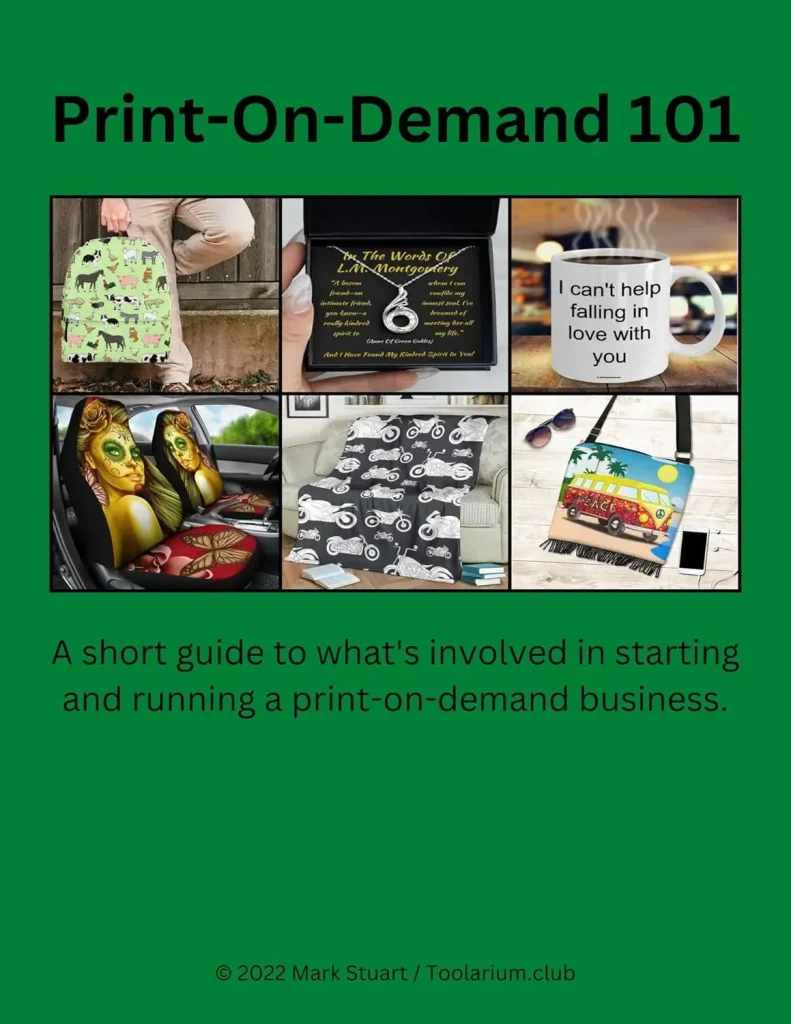
Print on Demand 101 is a practical, scalable path for aspiring entrepreneurs to launch an online store. If you’ve dreamed of selling custom apparel, mugs, or home decor, this model makes the POD landscape accessible with low upfront costs. This guide outlines what POD is, how the process works, and a clear step-by-step plan to start a POD store. You’ll learn how to choose a niche, map your design workflow, price effectively, and market your brand in today’s ecommerce landscape. With practical, beginner-friendly steps, you can move from concept to launch while keeping risk and overwhelm to a minimum.
Viewed through the lens of broader ecommerce, this approach is an on-demand production model that eliminates inventory and speeds time-to-market. Think of it as inventory-light fulfillment, where products are created only after a customer places an order, then shipped directly to the buyer. If you’re curious how to start print on demand, this framework translates into practical steps you can implement today, from platform selection to supplier integration. This terminology—on-demand manufacturing and digital printing—points to the same core idea: deliver custom products quickly without the burden of stock.
Print on Demand 101: Foundations for Launching Your POD Store
Print on Demand 101 sets the stage for turning creativity into a live store within the print on demand business model, offering a practical blueprint. It emphasizes a clear path—define a niche, choose a storefront, partner with a reliable POD supplier, and design products that resonate with your audience. This approach reduces risk while enabling quick testing and iteration based on real customer feedback.
From idea to launch, the plan covers niche discovery, design workflows, pricing strategies, and marketing tactics aligned with today’s ecommerce realities. Whether you want apparel, mugs, or home decor, Print on Demand 101 helps you map a path from concept to a live store and scale as demand grows. It’s a solid starting point for anyone learning how to start a POD store.
Understanding How Print on Demand Works and Why It Scales
Understanding how the print on demand model works is essential for beginners. With a customer placing an order, your POD partner prints the design onto the chosen product and ships directly, so you never have to stock inventory. This order-after-order flow is a hallmark of print on demand for beginners, enabling low-risk experimentation across designs and niches.
The model hinges on selecting a storefront and a POD partner that can smoothly handle product uploads, fulfillment, and returns. Platforms like Shopify or Etsy provide audiences, while the POD partner handles production quality. This synergy makes it practical to pursue how to start print on demand and grow a store that scales with demand.
Niche Selection and POD Product Ideas: From Idea to Audience
Choosing a niche matters because it guides your messaging and product ideas. Start by mapping passions to audience demand and look for gaps that align with POD product ideas. A focused niche makes it easier to tailor designs, marketing copy, and pricing to a specific group of buyers.
Do keyword and audience research to understand what your future customers search for. Phrase ideas in terms of benefits—’daily motivation mug for busy professionals’ rather than just ‘funny mug’—which helps you optimize listings and capture long-tail searches related to print on demand for beginners and other related POD product ideas.
Platform Selection and POD Partner Criteria: Start a POD Store with Confidence
Platform and partner choice should feel like a good fit for your goals. Beginners often start with Shopify for control or Etsy for built-in traffic, balancing reach and competition. A robust POD partner supports a wide product range, reliable print quality, international shipping options, clear pricing, and easy store integrations—key factors when you start a POD store with confidence.
Always order samples before listing products. Use samples to verify print accuracy, sizing, colors, and material feel, then refine product pages and photography. The right combination of platform capability and partner reliability is foundational to a smooth launch and future growth.
Design, Pricing, and Profitability in a Lean POD Business
Pricing and margins are the heartbeat of a lean POD business. Start with base costs—product, printing, fulfillment, platform fees, and payment processing—and apply a sustainable markup. A typical range is 20–50%, depending on category and perceived value, with room for premium editions or bundles. This approach keeps you competitive while protecting profitability in the print on demand business model.
Consider tiered pricing and volume-based profitability as you scale. Include marketing costs in your planning and test campaigns to improve ROAS. As you grow, economies of scale with your POD partner can reduce unit costs, expand product lines, and maintain quality without sacrificing margins.
Marketing, SEO, and Customer Experience to Grow Your POD Brand
Marketing, search optimization, and customer experience form the trio that drives scalable growth for your POD brand. Optimize product pages with relevant keywords such as print on demand, how to start print on demand, and POD product ideas to attract both platform search and external traffic, while keeping the user journey smooth.
Create a content-driven strategy that includes design tips, niche guides, and case studies. Leverage social media for behind-the-scenes processes, influencer collaborations, and user-generated content, while building an email list with value-driven offers like ‘5 Design Ideas for Your POD Store.’ An integrated approach helps you reach new customers and turn first-time buyers into repeat customers.
Frequently Asked Questions
What is Print on Demand 101 and how does it relate to the print on demand business?
Print on Demand 101 is a practical, scalable blueprint for building a POD business. It explains how the fulfillment model works—designs are printed on demand by a POD partner after a customer places an order, eliminating upfront inventory and warehousing. In short, Print on Demand 101 guides you to set up a storefront and partner with a printer to handle production and shipping, so you can focus on design and marketing.
How can I choose a niche for my POD store using Print on Demand 101 principles?
In Print on Demand 101, niche selection starts with your passions and market demand. Define a niche with a loyal audience and room for multiple POD product ideas. Do keyword and audience research, then craft benefits-focused ideas (e.g., daily motivation mug or cat lover tee) to improve listings and reach.
Which platforms and POD partners should I consider when starting a POD store according to Print on Demand 101?
Per Print on Demand 101, pick a platform that fits your goals (Shopify for control, Etsy for built‑in traffic). Evaluate POD partners on print quality, product catalog, international shipping, and ease of integration. Order samples to verify results and refine your listings.
What is a practical pricing strategy for the print on demand business highlighted in Print on Demand 101?
In Print on Demand 101, pricing requires knowing base costs (product, printing, fulfillment, platform and payment fees) and adding a consistent margin. A common range is 20–50% above base cost, with tiered pricing for premium items, and budgeting for marketing to maintain profitability as you scale.
What are the essential steps to launch your POD store according to Print on Demand 101?
Follow the Print on Demand 101 launch plan: define niche and customer persona; choose a storefront platform and connect a POD partner; create a small, cohesive set of designs; upload optimized product pages; order samples to verify print quality; launch with a soft promotion; and analyze performance to iterate.
What common pitfalls should I avoid in the Print on Demand 101 framework and how can I fix them?
Common mistakes in Print on Demand 101 include overloading the catalog, misaligned niche messaging, under- or overpricing, poor product quality, and weak marketing. Fixes: curate 8–20 core products per niche, align designs with audience, test price points against benchmarks, order samples, and implement a multi-channel marketing plan (SEO, social, email, and paid ads).
| Topic | Key Points |
|---|---|
| What is Print on Demand (POD) | A fulfillment model where product creation happens after an order; a third‑party prints on demand and ships; no upfront inventory; reduces risk; ideal for beginners and testing ideas. |
| How POD works | Order is placed; the POD partner prints and ships; storefront platform handles sales; no stock, warehousing, or upfront fulfillment; enables scalable growth and focus on design and marketing. |
| Getting Ready: From Idea to Niche | Choose a well-defined niche, research ideas with market demand, identify gaps, and aim for a passionate audience with room for multiple products. Conduct keyword and audience research and frame ideas by benefits (e.g., a “daily motivation mug” for professionals). |
| Platform and POD Partner Selection | Select storefront platforms (e.g., Shopify, Etsy) and a POD partner with print quality, a broad product catalog, international shipping, and good integration. Order samples to verify quality and refine listings. |
| Design and Product Strategy | Develop a core set of niche designs (4–8 per niche); maintain consistency in style and typography; use templates to scale across products; ensure rights to all artwork and build a recognizable brand—design quality fuels conversion. |
| Pricing, Margins, and Profitability | Know base costs (product, printing, fulfillment, fees); apply a markup (roughly 20–50% above base cost, varies by product); consider tiered pricing and marketing costs; aim for profitability through volume and scale. |
| Store Setup: From Storefront to Product Pages | Create a clean, fast storefront with clear categories; high‑quality visuals; compelling descriptions; transparent shipping and returns; SEO‑friendly pages with relevant keywords in titles, descriptions, and alt text. |
| Marketing and Traffic | Use a mix of SEO, content marketing, social media, email campaigns, and paid ads. Test messaging, measure ROAS, and leverage collaborations with micro‑influencers or communities in your niche. |
| Operations, Customer Service, and Returns | Set clear return policies; communicate promptly; manage refunds/replacements gracefully; enforce quality control with periodic sample checks; base improvements on data. |
| Common Mistakes to Avoid (and Fixes) | Overloading the catalog; ignoring niche fit; under- or overpricing; poor product quality; neglecting marketing. Fix by curating 8–20 core products per niche, aligning visuals/messages, testing price points, and sustaining multi‑channel marketing. |
| POD Product Ideas to Jumpstart Your Store | Categories like apparel, accessories, and home/lifestyle; seasonal and evergreen designs; niche‑driven collections that resonate with your audience. |
| A Step-by-Step Plan to Launch Your POD Store | Define niche/persona; choose storefront platform and POD partner; create a cohesive design set; optimize product listings; order samples; soft launch; analyze performance and iterate. |
| Scaling Beyond the Initial Launch | Diversify product lines; launch limited editions; consider private‑label/white‑label options; refine the customer experience and packaging; continue testing and scaling with data-driven decisions. |
Summary
Print on Demand 101 is a practical framework for turning a creative idea into a sustainable online business. By focusing on a defined niche, partnering with reliable POD providers, designing products that resonate with your audience, and combining smart pricing with robust marketing, you can build a store that not only looks great but also converts visitors into loyal customers. Start small, test often, and scale deliberately to grow a POD business that earns repeat orders and word-of-mouth referrals.