
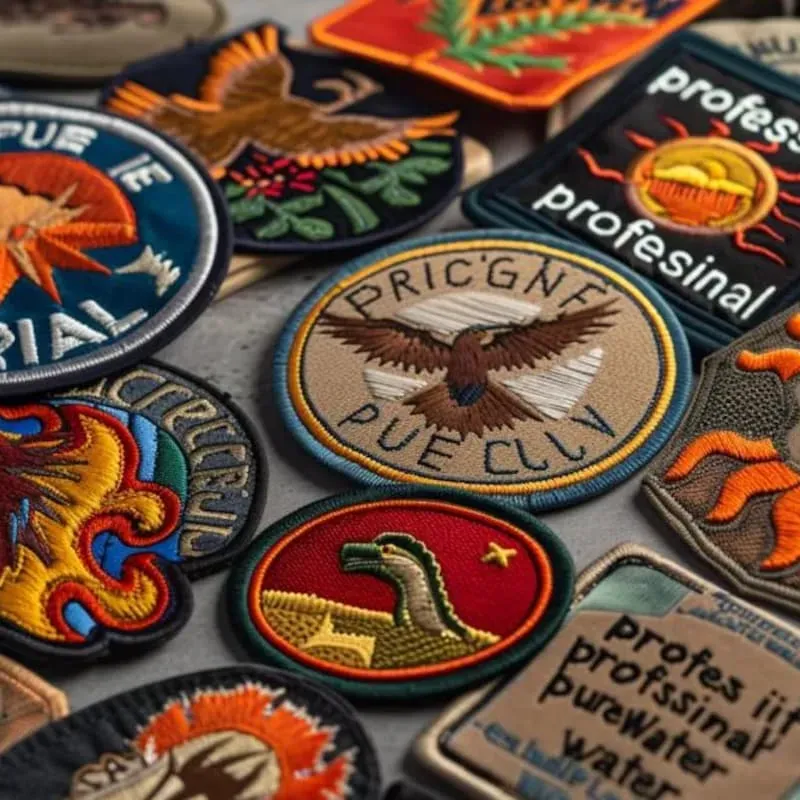
Custom Embroidered Patches provide a flexible, affordable way for teams, clubs, schools, and organizations to forge a cohesive identity on uniforms and gear. When done well, these patches do more than decorate; they narrate a group’s history, values, and goals through careful color choices, stitching patterns, and durable backing. For a solution that works across team patches, uniform patches, and even logo patches, it’s essential to start with strong artwork and translate it into a stitch-ready format that withstands frequent washing. Quality patches use a durable border, colorfast threads, and backing options (such as sew-on, iron-on, or Velcro) chosen to support branding patches on various fabrics. This guide highlights ideas, standards, and practical tips for effective custom patch design that helps brands stay sharp season after season.
Beyond the traditional labels, these embroidered emblems and fabric badges communicate belonging and pride across teams, clubs, schools, and enterprises. Think of woven insignias, monogram patches, crest badges, or circular emblems that can be stitched to uniforms, bags, or event apparel. Choosing the same color families, border finishes, and backing options ensures consistent branding while offering practical wearability. A skilled embroidery partner translates artwork into stitch counts and densities, producing durable woven patches and appliques that resist fading through seasons. By embracing a complete patch strategy—from concept and production to care—organizations can grow a recognizable visual language across all apparel and gear.
Custom Embroidered Patches for Team Identity: Design Essentials
Custom Embroidered Patches play a pivotal role in forging a cohesive team identity across uniforms and gear. When designed with care, these patches become more than decoration; they act as a visible symbol of history, values, and camaraderie. In the world of team patches, the right combination of artwork, stitch patterns, and backing ensures durability while preserving a sharp, recognizable look on every jersey, bag, or cap.
For a strong custom patch design, start with a clear identity: a logo or emblem that remains legible from a distance and scales well for sleeve or chest placement. This is where the synergy between art and engineering shines—ensuring that the patch represents the team while withstanding regular wear. By choosing appropriate shapes, borders, and color layouts, you set a foundation for consistent branding across all uniform patches.
Durable Backings and Edge Finishes for Logo Patches and Branding Patches
Durability starts at the backing and edge finish. Iron-on, sew-on, and loop-backings each offer unique advantages for different uniform fabrics and care routines. A sturdy Merrow or woven edge protects the patch perimeter and delivers a polished, professional finish, contributing to the longevity of logo patches worn in practice and competition.
Selecting the right edge finish and backing is essential for branding patches that may endure frequent washing and heavy use. For teams and organizations, matching the patch to the fabric and care instructions ensures the design stays crisp season after season while supporting quick, reliable application across various apparel pieces.
Color and Typography Strategies for Uniform Patches
Color accuracy is critical when creating uniform patches. Artists and suppliers often use Pantone-matched threads to keep branding patches true to the official palette, reducing color bleed and fading over time. Clear, bold typography helps ensure legibility from a distance, with considerations for tracking and letter weight to prevent blurring on small patches.
When designing patches for uniforms, contrast matters. Light threads on dark fabrics and darker tones on light fabrics maximize visibility, while color blocking and subtle shadows can add depth without compromising readability. Collaborating with an experienced embroidery partner can help optimize typography, outlining, and shadow techniques for crisp, durable results in a consistent custom patch design.
Patch Shapes and Layouts: Shields, Circles, and Mascots
The shape of a patch communicates tone and identity. Shields and crests convey tradition and authority, making them a natural fit for sports teams and school organizations. Circular designs focus attention on a central mascot or initials, delivering a compact, scalable patch that remains legible across sizes for uniform patches.
Beyond traditional shapes, monograms paired with mascots or year badges create distinctive branding patches that can be easily recognized on team jerseys. Abstract geometric patches offer a modern alternative that still aligns with color schemes and branding guidelines, while event or program patches capture special moments and unlock collectible value for teams and clubs.
Standards, Artwork Prep, and Quality Control for Team Patches
A robust patch program begins with precise artwork preparation. Supplying vector files (AI, EPS, or PDF) with scalable outlines, color references (Pantone numbers), and clear specifications for backings and borders helps ensure a faithful translation from design to embroidery. Establishing these standards supports consistent team patches and uniform patches across seasons.
Quality control is essential to prevent misalignment and fraying. Check stitch density, edge finishing, and backing compatibility through pilot runs and colorproofs. Implementing a sample production step before full orders helps catch issues early, ensuring that each logo patch or branding patch meets your organization’s quality thresholds.
Ordering, Bulk Production, and Lifecycle for Uniform Patches
Planning for bulk orders and repeat outfitting is a practical way to reduce unit costs while maintaining consistency. When you forecast team patches and uniform patches for multiple teams or seasons, you can negotiate better pricing, set standard sizes, and simplify reorders. Clear requirements and early artwork delivery streamline production and delivery timelines.
Lifecycle considerations—such as rebranding, licensing, and future branding updates—are critical for long-term consistency. Choose a vendor able to reprint or scale existing patches for new seasons, while managing approvals for licensed logos or mascots. A forward-looking approach to ordering ensures your branding patches remain current, cohesive, and ready for uniform updates across groups and events.
Frequently Asked Questions
What are Custom Embroidered Patches and why are they ideal for team patches and uniforms?
Custom Embroidered Patches are fabric patches stitched with embroidery that can be applied via iron-on, sew-on, or other backing methods. They are ideal for team patches and uniform patches because they deliver durable, colorfast branding that stays legible through regular wear and washes. A strong patch design, including clear logos, durable borders, and appropriate backing, also makes them effective logo patches and branding patches. Providing vector artwork and Pantone references helps ensure your custom patch design translates accurately into embroidery.
What backing options should I consider for uniform patches, and how do I choose between iron-on, sew-on, or Velcro backs?
For Custom Embroidered Patches, backing options include iron-on, sew-on, and Velcro (hook-and-loop). Iron-on backs are quick to apply but may not adhere well to thick or textured fabrics; sew-on backs offer the strongest and most durable attachment for uniforms; Velcro backs provide removable patches for outerwear or interchangeable branding. Your choice should consider fabric type, care instructions, and how often the patches will be laundered.
How can I design effective logo patches and branding patches using custom patch design principles?
To create impactful logo patches with Custom Embroidered Patches, start with a clear, scalable design and bold typography. Use Pantone-matched threads for color accuracy, ensure strong contrast for legibility on uniforms, and select a durable edge finish. Provide scalable vector files and color references to facilitate consistent results across team patches and branding patches. A thoughtful patch design also accounts for placement on various garments, from jerseys to jackets.
What shapes, colors, and typography work best for Custom Embroidered Patches used on teams and uniforms?
Classic shapes like shields, crests, circles, or badges work well for team patches and uniform patches. Use high-contrast color schemes with Pantone-matched threads so colors stay true over time, and choose bold, legible typography with appropriate tracking for smaller patches. Consider border options (Merrow edges or woven borders) and outlines to maintain legibility from a distance, ensuring effective logo patches and branding patches.
What standards and quality checks should I request when ordering Custom Embroidered Patches for teams and uniforms?
Ask for clear artwork and color references (vector files in AI, EPS, or PDF with Pantone values), specify patch size and backing, and define stitch density and edge finishing. Request a proof or swatch patch, and plan a sample run to verify color accuracy and sizing before full production. Include QA checkpoints for thread breaks, misalignment, and edge fraying to ensure consistent patch quality across team patches and branding patches.
What is the typical production timeline and cost considerations for bulk orders of Custom Embroidered Patches?
Production timelines depend on artwork readiness, patch quantity, and backing type, but a typical flow includes artwork transfer, proof approval, a sample run, and full production. For bulk orders, expect volume discounts, but plan for setup fees and potential color-matching charges. Request a detailed quote that itemizes per-patch pricing, setup costs, and any fees for rushes or reorders to budget for custom patch design and team uniform patches accurately.
| Key Topic | Summary |
|---|---|
| Audience and Purpose |
|
| Quality Essentials |
|
| Design Ideas for Patches |
|
| Colors and Typography |
|
| Standards & Quality Guidelines |
|
| Materials & Production Considerations |
|
| Production Timeline & Ordering Tips |
|
| Cost Considerations & Value |
|
| Care, Maintenance & Longevity |
|
| Vendor Selection & Best Practices |
|
| Applications & Real-World Use Cases |
|
Summary
Conclusion: A concise overview of how patches work across teams and organizations.
