
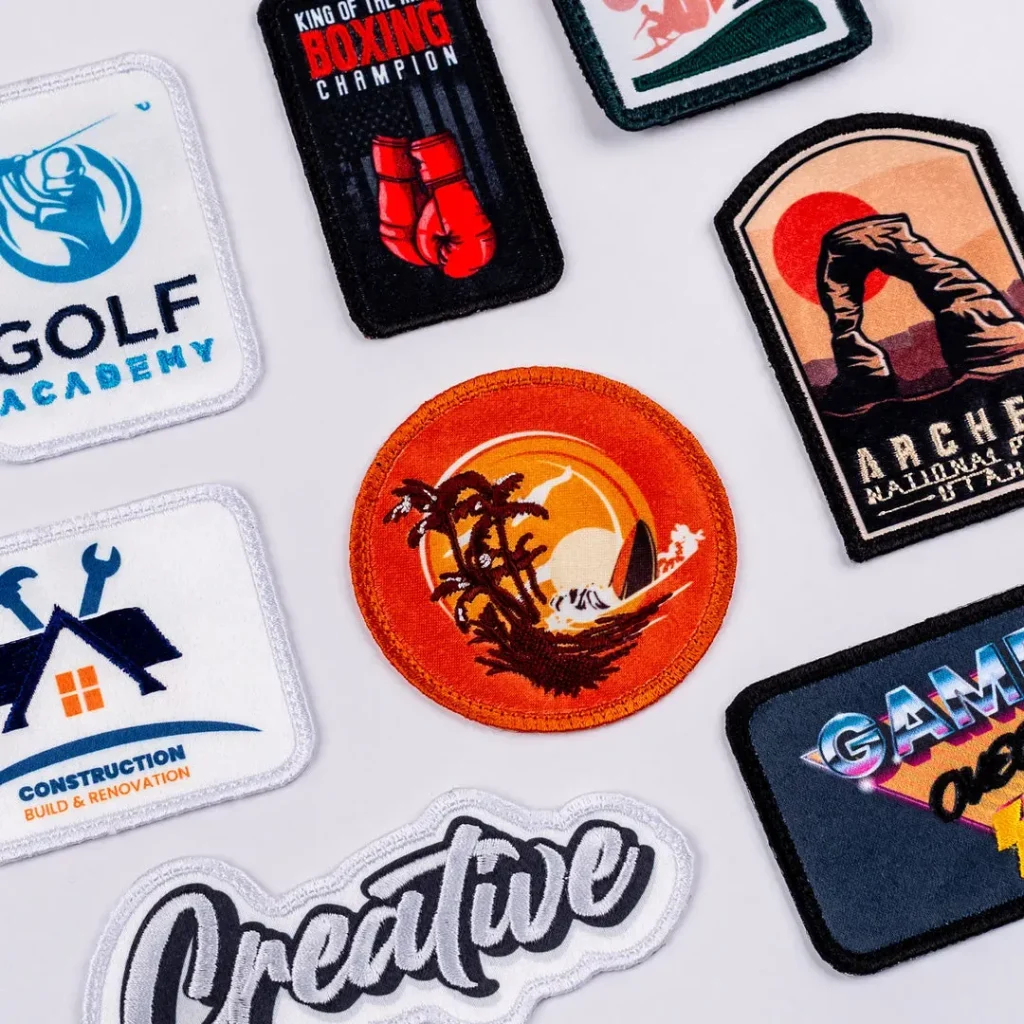
Custom Patches unlock versatile branding for teams, clubs, businesses, and hobbyists. From custom embroidered patches to iron-on patches, they blend style with practicality. Choosing patch materials and finishes options, plus robust application methods for patches, saves time and ensures a professional look. Different fabrics and backing options affect durability, washability, and how patches interact with garments. By the end, you’ll know how to choose substrates, finishes, and methods to apply patches with confidence.
Beyond the term Custom Patches, brands and makers often refer to these fabric badges as embroidered insignias, branded patches, or sew-on symbols. LSI principles guide us to use related terms such as fabric badges, embroidered patches, and adhesive-backed patches to reach audiences seeking logo badges, removable branding, or event identifiers. Whether sewn, iron-on, or Velcro-backed, these identifiers share the same purpose: to deliver durable branding with flexible application across uniforms, bags, and merchandise.
Understanding Patch Materials: Substrates That Shape Your Patch
Patch materials, or substrates, determine how the embroidery sits on the surface and how the patch wears over time. Common substrates include twill, felt, leather, denim, and cotton blends. Twill is prized for its strength and smooth surface, making dense embroidery clean and legible, while felt provides a sturdy, tactile background with a different texture. Leather patches convey a premium feel, and canvas or denim yield rugged aesthetics for outdoors or workwear.
Choosing the right patch materials also affects colorfastness, washability, and how the patch interacts with the garment. The substrate you pick should complement the thread colors and desired edge finish, ensuring the design remains clear after repeated washing. When you know the end use—uniforms, event merch, or casual wear—select a material that balances durability, weight, and cost.
Backing, Edges, and Finishes: Crafting Durable Patch Finishes Options
Backing options matter as much as edges when planning the patch. Common choices include iron-on adhesives for quick application, sew-on patches for durability, and Velcro-backed designs for removable branding. The backing you choose should align with garment care and user expectations, especially if patches will be laundered frequently. Patch finishes options like merrow borders or satin stitch edges can further define the look.
Edge finishing and coating choices also influence performance. A heat-seal backing supports iron-on use, a self-adhesive layer enables temporary placement, and UV protective coatings help preserve color in outdoor environments. For athletes or high-wear uniforms, a tight border and sturdy backing resist abrasion and fading over time.
Application Methods for Patches: Techniques for Secure Attachment
Application Methods for Patches vary by fabric and backing. Iron-on patches offer quick branding on T-shirts, caps, and bags, but require proper heat and time settings to activate the adhesive without scorching the fabric. A common starting point is 150 to 170 degrees Celsius with firm pressure for 15 to 20 seconds, followed by a cool-down period to set the bond.
Sew-on patches provide maximum durability for uniforms and activewear, with reinforced stitching along the edges to withstand frequent washing. Velcro-backed patches offer interchangeability for team jerseys or event merchandise. Always test on a small area and refer to the backing manufacturer’s guidelines for precise settings.
Color, Thread, and Stitch Density: Making Designs Pop
Color management and thread choices drive legibility and brand feel. Polyester threads are common for their colorfastness and durability, while rayon threads can yield a more luminous sheen. Embroidery density and patch size must be balanced to avoid crowding or color bleed, with careful planning to maintain contrast on both light and dark substrates.
Density decisions matter: heavier patches or large designs benefit from dense stitching such as satin borders or tighter fills to maintain crisp edges. When the patch is large or complex, plan color contrast to keep the design readable from a distance and consider how light will reflect off the thread surface for the intended wear.
Custom Patches for Branding: From Sports Teams to Fashion Lines
Custom Patches offer brands a flexible way to reach teams, clubs, and customers. Whether you’re creating a single run for a mission group or a large batch for a product launch, the patch design should align with your logo, color palette, and fabric choices. The combination of patch materials, finishes options, and application methods for patches will influence production time and cost, so planning early pays off.
For branding projects, swatches and proofs are essential before full production. Consider examples of custom embroidered patches across apparel and accessories to validate color accuracy and texture. By testing backing options and finishes, you can ensure the final patch looks and feels like your brand.
Care, Longevity, and Quality Assurance for Patches
Iron-on patches tend to detach if exposed to high heat or aggressive scrubbing; washing inside out and avoiding high heat settings can extend their life. Sew-on patches generally hold up better in frequent washing, especially when reinforced with a strong stitch pattern along the edges. For Velcro-backed patches, avoid rough surfaces that can snag the hook side and reduce attachment strength over time.
Quality assurance steps include testing on similar fabrics, checking colorfastness after wash cycles, and inspecting edge finishes after laundering. Regular inspections and reattachment as needed will keep patches looking sharp, while swatches and proofs help prevent misalignments before long runs.
Frequently Asked Questions
What are Custom Patches and what patch materials are commonly used?
Custom Patches are decorative fabric pieces (often embroidered) that can be heat-sealed or sewn onto garments for branding or personalization. Common patch materials include twill, felt, leather, denim, and cotton blends, with the substrate shaping the patch’s look, durability, and how it takes embroidery.
What patch finishes options are available for Custom Patches and how do they influence appearance and durability?
Patch finishes options include merrow borders (tight overlock edging) and satin stitch borders, which affect edge appearance and fraying resistance. Additional finishes like UV coatings or water-resistant treatments can enhance durability, depending on the design and garment use.
What are iron-on patches and sew-on patches, and how do application methods for patches differ?
Iron-on patches use heat-activated adhesive for quick attachment, while sew-on patches rely on stitching for maximum durability. Application methods for patches vary—iron-on is common for casual wear, sew-on for uniforms or active gear, and Velcro options for interchangeable branding—always following heat, pressure, and dwell-time guidelines.
Which backing and application options work best for different fabrics when using Custom Patches?
Backing options like heat-seal backing, self-adhesive, and Velcro offer different balance of permanence and removability. Velcro is great for interchangeable designs, heat-seal backing provides quick permanent adhesion, and testing on the fabric ensures proper bonding after washing.
How do patch materials and thread choices affect color, durability, and legibility of Custom Patches?
Patch materials determine texture and how embroidery sits on the surface (twill, felt, leather, etc.). Thread choices, typically polyester for durability and colorfastness (or rayon for sheen), plus appropriate density, influence color accuracy, legibility, and resistance to color bleeding on the patch.
What care guidelines help extend the life of Custom Patches on garments?
Follow backing-specific care: wash patches inside out and avoid high heat for iron-on patches; sew-on patches generally withstand regular washing with proper stitching; Velcro patches should be kept free of rough surfaces that can snag the hook side. Regular inspection and reattachment as needed help maintain appearance.
| Aspect | Key Points |
|---|---|
| Materials (Substrates) | Substrates include twill, felt, leather, denim, and cotton blends. Twill offers strength and smooth embroidery; felt provides bold texture; leather conveys a premium feel; canvas/denim give rugged aesthetics. |
| Backing Options | Backing options include iron-on, sew-on, and Velcro. Choose based on end use, washing conditions, and durability. |
| Thread Choices & Color Management | Polyester threads are common for colorfastness and durability; rayon offers a luminous sheen. Align embroidery density and thread color with patch size to maintain legibility and contrast. |
| Finishes & Edges | Merrow borders provide a strong frame; satin stitch borders offer a flatter edge. Edge finishes should complement the patch style. Backing and coatings can include heat seal, self-adhesive, UV protective coatings, or water-resistant finishes. |
| Application Methods | Iron-on for quick branding; sew-on for maximum durability; Velcro for interchangeable designs. Some patches combine options. Test adhesion and follow heat, pressure, and dwell time guidelines. |
| Care & Longevity | Iron-on patches may detach with high heat or aggressive washing; sew-on patches withstand frequent washing better. Velcro backs require care to avoid snagging; inspect and reattach as needed. |
| Design & Production Considerations | Consider intended use and garment type, stitch count, and size/density as they affect appearance, cost, and lead time. Sports items may need weather resistance; fashion items may favor premium substrates. Obtain swatches and proofs before full production. |
| Practical Tips & Common Mistakes | Avoid neglecting edge finishes and matching backing to the garment care cycle. Test patches on the actual fabric, check color under different lighting, and verify tolerances with your patch producer. |
Summary
Custom Patches are a versatile branding and personalization tool that help teams, clubs, businesses, and hobbyists showcase identity while delivering durable, professional results. This summary highlights the core elements from the base content—patch materials, finishes, backing options, thread choices, application methods, care, and production considerations—to help you select substrates, finishes, and attachments that match your garment and use case. By understanding how these factors interact, you can design patches that look great, endure washing, and support your branding across uniforms, event merch, and personal projects. Use this guide to request swatches, validate color and texture, and partner with a trusted patch producer to bring your vision to life.
