
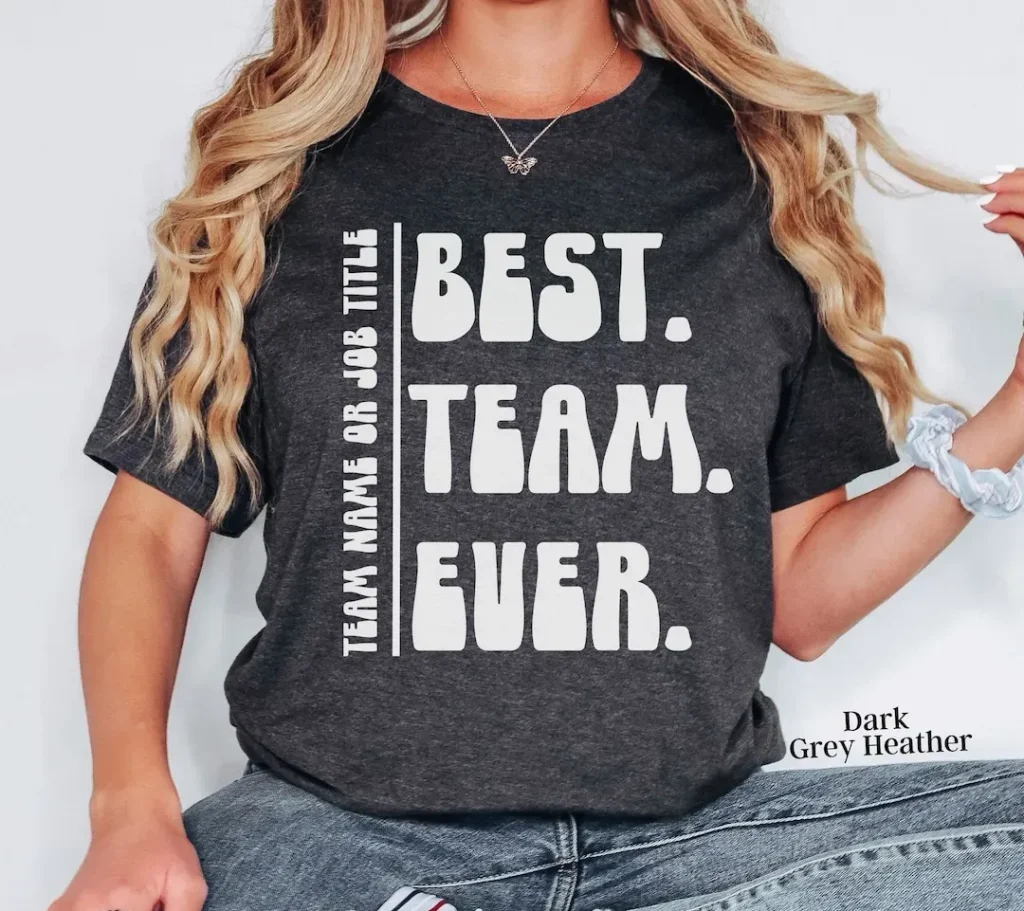
Custom shirts for teams are more than just clothing—they’re a strategic tool for building identity and unity. They serve as team uniforms that boost morale and visibility during practices and events. From sports clubs to corporate task forces, custom team shirts help align colors, logos, and messaging. When ordering in bulk, choosing durable fabrics and clear prints keeps costs down and outcomes consistent. This guide covers design options, printing methods, and practical tips for bulk ordering while staying within budget.
In other words, branded apparel for groups can function as a unifying symbol across sports, offices, and volunteer crews. These garments act as visible identifiers, reinforcing culture, cohesiveness, and a professional image. Rather than relying on generic uniforms alone, organizations often choose coordinated team apparel that supports events like conferences or charity runs, serving as event shirts for teams. Exploring fabrics, print techniques, and sizing helps tailor the group attire to fit the activity, climate, and audience. With scalable branding and practical, long-lasting wear, this approach complements broader marketing and sponsorship goals.
1) Choosing Fabrics and Printing Methods for Team Uniforms and Event Shirts
Selecting the right fabric starts with understanding how your team will use the shirts. Cotton offers comfort and breathability for casual group activities, while polyester blends deliver durability and moisture-wicking properties that hold up during high-activity moments. Performance fabrics are ideal for athletic use or outdoor events where heat and sweat are factors. When you’re outfitting team uniforms, prioritize fabrics that withstand frequent washing and retain color after many cycles. For event shirts for teams, consider fabrics that stay cool and comfortable under varying conditions so participants look sharp throughout the event.
Printing methods form the other half of the equation. Screen printing is cost-effective and durable for bulk order shirts for teams that feature simple, bold designs and a limited color palette. Embroidery adds a premium, institutional touch that’s well-suited for group gift shirts and professional uniforms. Direct-to-garment (DTG) printing enables detailed artwork and photographs but can be less economical at very large volumes. Heat transfer offers on-demand customization with flexibility, though you’ll want to weigh durability and washability against cost.
2) Custom shirts for teams: Design Essentials to Elevate Identity
Custom shirts for teams should communicate identity at a glance. Keep typography legible with bold, high-contrast lettering for names, numbers, and slogans. Limit the color palette to reduce setup costs and ensure consistent color reproduction across batches, aligning with your brand guidelines or team colors for instant recognition. Include essential elements such as your logo, team name, and season or event year to reinforce continuity across different use cases.
Placement matters as much as the artwork. Plan where logos and text will live—chest logos and back names are classic choices, while sleeve prints or side panels can create distinctive looks without clutter. Consider also the maximum print area available on each garment and how the design scales from youth sizes to adult sizes. For group gift shirts or uniform sets, a cohesive layout helps maintain a professional, unified appearance.
3) Bulk Ordering for Teams: Planning, Proofing, and Lead Times
Bulk orders require proactive planning to avoid delays or misprints. Start with digital proofs and obtain sign-off from all stakeholders before production; this reduces errors and ensures everyone agrees on placement, typography, and colors. For bulk order shirts for teams, securing approvals early helps you lock in the best pricing and color-matching capabilities across the batch.
Accurate sizing and sourcing matter just as much as design. Gather measurements across age groups and roles, provide a clear sizing guide, and confirm minimums, bulk pricing, and color-matching capabilities with your vendor. Build realistic lead times that account for production and shipping, plus a buffer for last-minute changes, so the final delivery aligns with event dates or season starts.
4) Sizing and Fit: Inclusive Options for All Team Members
A well-rounded size range—from youth to adult—ensures every team member can participate comfortably. Offer a mix of unisex and women’s cuts to accommodate different body types, and provide a straightforward size chart to minimize returns and exchanges. Including a broad size selection helps keep uniforms cohesive and reduces the risk of ill-fitting apparel during games, events, or volunteer activities.
Practical fit considerations go beyond numbers. Include sample garments or size kits when feasible, and consider the activity level and climate in your fit decisions. A garment that moves easily, breathes well, and sits properly on the shoulders contributes to better morale and performance, whether it’s for a sports team, workplace event, or community club.
5) Brand Consistency in Design: Colors, Logo Placement, and Messaging for Event Shirts
Consistency reinforces recognition across all touchpoints. Use a restrained color palette that aligns with your brand guidelines to ensure the shirts look intentional and professional in every setting—from stadium stands to trade shows. Clear, high-contrast logos and straightforward copy improve legibility from a distance, which is especially important for event shirts for teams that are worn in crowded venues.
Strategic placement and messaging help tie different shirts together. Standardize logo placement on the chest and consider back-side branding or sleeve accents to differentiate roles or sub-teams without crowding the design. When you plan for group gift shirts or bulk orders for events, consistent branding throughout the batch ensures a unified look and a stronger overall impression.
6) Care, Longevity, and ROI for Custom Shirts
Care and maintenance directly impact the longevity of your investment. Follow washing guidelines—turn shirts inside out, use appropriate water temperature, and avoid harsh detergents—to preserve colors and prints. Drying methods also matter: air-drying minimizes wear, while low-heat tumble drying may be acceptable for certain fabrics, though embroidery longevity benefits from gentler handling.
Understanding return on investment helps justify a bulk program for teams. Proper care extends the life of each garment, reducing replacement costs over time. Plan ahead with replacement stock in the same batch or color family to accommodate sizing changes or wear, and partner with a vendor who offers durable options and reliable lead times. With thoughtful care and planning, your custom shirts for teams can deliver consistent branding and practical value for sports clubs, corporate teams, nonprofits, and community groups alike.
Frequently Asked Questions
What fabrics work best for custom shirts for teams when creating durable team uniforms?
For team uniforms, moisture-wicking polyester blends are common for athletic use, while cotton blends offer comfort for casual settings. When ordering custom shirts for teams, choose fabrics based on climate and activity, prioritizing durability, washability, and color retention to keep uniforms looking sharp after multiple washes.
What makes event shirts for teams effective in conveying your brand at conferences or tournaments?
Event shirts for teams should feature bold logos, high-contrast colors, and legible copy that’s readable from a distance. Plan the logo placement (chest or back), use color-fast inks, and keep the design simple to maximize visibility and impact in crowded venues.
What should I know when ordering bulk order shirts for teams to control costs and ensure quality?
Bulk order shirts for teams benefits from early digital proofs, accurate sizing data, and a reliable vendor. Clarify minimums, bulk pricing, color matching, and realistic lead times to avoid delays and ensure consistent quality across the entire batch.
Which printing and embroidery options are ideal for group gift shirts to look premium yet stay affordable?
Group gift shirts often pair premium embroidery or high-quality screen printing with midweight fabrics to balance cost and feel. Keep the design relatively simple to preserve legibility and ensure consistent branding across all gifts.
How can design and sizing decisions optimize comfort and legibility for custom shirts for teams used as uniforms?
To optimize comfort and legibility, provide a broad size range (youth to adult) and offer unisex and women’s cuts with a clear size chart. Limit font sizes and thoughtfully place logos to prevent crowding and ensure readability at a glance.
What care tips and ROI considerations should I follow for custom shirts for teams to extend their life?
Care matters: wash inside-out in cold water, avoid harsh detergents, and air-dry when possible to extend color and print life. Keep a small stock of replacement shirts in the same batch to simplify future orders and protect your branding investment for ongoing use.
| Key Point | Summary | Notes / Examples |
|---|---|---|
| Purpose and benefits | Custom shirts for teams act as a strategic tool to build identity, boost morale, and present a cohesive image across groups. | Applicable to sports teams, corporate project groups, backstage crews, and community clubs; benefits include pride, visibility, and simplified logistics. |
| Main use cases | Uniforms, events, and group gifts. | Uniforms aid identification and cohesion; events act as marketing tools with legible designs; group gifts celebrate milestones and recognize volunteers. |
| Fabric options | Cotton, polyester blends, and performance fabrics; moisture-wicking for active use; choose based on climate and activity. | Durability, washability, and climate fit; consider moisture management for sports and midweight cotton-poly for general use. |
| Printing methods | Screen printing (bulk; durable), embroidery (premium; lasting), DTG (complex artwork), and heat transfer (on-demand). | Choose by design complexity, budget, and wear expectations; weigh setup costs vs. longevity. |
| Design guidelines | Legible typography, a restrained color palette, and essential elements (logo, team name, year/event). | Plan printing area (chest, back, sleeves); aim for bold logos and clear copy for readability from a distance. |
| Bulk ordering process | Early design approval, accurate sizing, reliable vendor, and clear lead times. | Obtain digital proofs, confirm sizing data, inquire about minimums, bulk pricing, and color matching to prevent delays. |
| Sizing & fit | Broad size range (youth to adult) with unisex and women’s cuts; provide a sizing chart. | Minimize returns and maximize comfort with accurate measurements and inclusive sizing. |
| Care & longevity | Washing and drying practices to preserve color and prints; limit direct heat on designs. | Provide care instructions and stock replacement shirts to extend value and lifecycle. |
| ROI / Real-world impact | Organizations often see tangible benefits from unified branding and team pride. | Examples include sports clubs, corporate teams, nonprofits, and schools leveraging consistency and identity for engagement and fundraising. |
Summary
This table summarizes the key ideas from the base content about custom shirts for teams, covering purpose, use cases, fabric and printing options, design considerations, bulk ordering steps, sizing, care, and ROI.
